Every breath we take is a gift we rarely think about, until breathing becomes difficult. For the millions of Americans living with Chronic Obstructive Pulmonary Disease (COPD), each breath can feel like a challenge. But here's the encouraging truth: with proper management, education, and support, people with COPD can breathe easier, stay active, and enjoy a fulfilling quality of life.
If you or a loved one has been diagnosed with COPD, you're not alone, and you are not without options. Understanding this condition and taking proactive steps can make all the difference in how you live each day.
What Is COPD?
Chronic Obstructive Pulmonary Disease (COPD) is an umbrella term for progressive lung diseases that make breathing difficult. The two most common conditions under this umbrella are chronic bronchitis and emphysema. In COPD, the airways become inflamed and narrowed, and the air sacs in the lungs lose their elasticity, making it harder to move air in and out.
COPD affects millions of Americans, and many more may be living with it undiagnosed. It is one of the leading causes of death in the United States, yet with early detection and comprehensive management, its progression can be slowed significantly.
Who Is at Risk?
While COPD most commonly develops in people over 40, several risk factors increase your likelihood of developing the disease:
- Smoking: The leading cause of COPD. The large majority of cases are linked to cigarette smoking, including secondhand smoke exposure.
- Long-term exposure to lung irritants: Such as air pollution, chemical fumes, or dust in the workplace.
- Genetics: A small percentage of COPD cases are caused by alpha-1 antitrypsin deficiency, a genetic condition.
- History of childhood respiratory infections: Can increase susceptibility later in life.
COPD is not a death sentence. With the right treatment plan and lifestyle adjustments, people living with COPD can stay active and enjoy meaningful lives for many years.
Recognizing the Symptoms
Early detection is crucial. Many people dismiss early symptoms as "just getting older" or a "smoker's cough." Pay attention to these warning signs:
- Chronic cough that produces mucus (often called "smoker's cough")
- Shortness of breath, especially during physical activities
- Wheezing or chest tightness
- Frequent respiratory infections
- Fatigue and lack of energy
- Unintended weight loss (in advanced stages)
If you experience these symptoms, especially if you have a history of smoking or exposure to lung irritants, schedule an appointment with your primary care provider. Simple tests like spirometry can diagnose COPD and measure lung function.
Evidence-Based Treatment Approaches
While COPD is a progressive disease with no cure, research shows that comprehensive management can dramatically slow its progression and improve quality of life. Treatment typically includes:
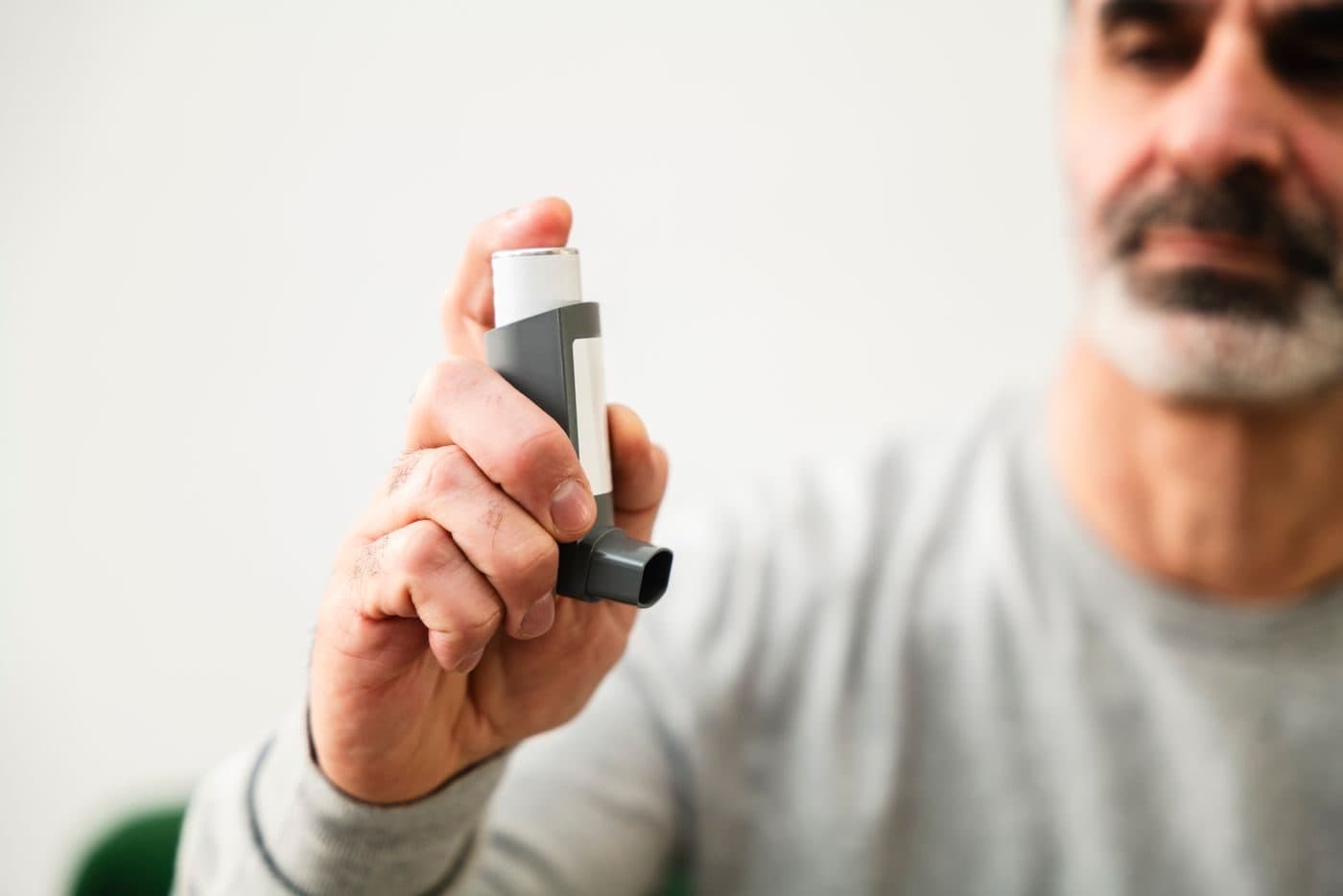
Medications: Bronchodilators help relax airway muscles, making breathing easier. Inhaled corticosteroids reduce inflammation. Your provider will tailor medications to your specific needs and disease stage.
Pulmonary Rehabilitation: Pulmonary rehabilitation programs, which combine exercise training, education and behavioral support, are shown to improve exercise capacity, reduce symptoms and enhance quality of life.
Oxygen Therapy: For patients with low blood oxygen levels, supplemental oxygen can improve survival and allow for greater activity levels.
Vaccinations: Annual flu shots and pneumonia vaccines are crucial, as respiratory infections can trigger dangerous COPD exacerbations.
Lifestyle Strategies That Make a Difference
Beyond medical treatment, daily choices have a profound impact on COPD management:
- Quit smoking immediately: This is the single most important step. Even after years of smoking, quitting slows disease progression. Ask your provider about smoking cessation programs and medications.
- Stay active: Regular physical activity strengthens respiratory muscles and improves endurance. Even gentle walking can help.
- Eat a nutritious diet: Good nutrition supports lung function and overall health. Small, frequent meals may be easier if breathing makes eating difficult.
- Avoid lung irritants: Stay away from secondhand smoke, strong perfumes, dust, and air pollution when possible.
- Practice breathing techniques: Pursed-lip breathing and diaphragmatic breathing can help you manage shortness of breath more effectively.
- Manage stress: Anxiety can worsen breathing difficulties. Relaxation techniques, support groups, and counseling can help.
The Importance of Ongoing Care
COPD management works best with a strong partnership between you and your healthcare team. Regular check-ups allow your provider to:
- Monitor lung function and adjust medications as needed
- Catch exacerbations early before they become severe
- Provide education and support for lifestyle changes
- Coordinate care with specialists when necessary
- Address mental health concerns, which commonly accompany chronic illness
In Cape Girardeau, Missouri, Guardian Primary Care offers comprehensive COPD management. We are in network with most major commercial insurances, Medicare and Medicaid, and Guardian Direct Care is available for patients who prefer predictable monthly pricing. Either way the goal is the same: time with your provider, easy access when you have a concern, and care coordinated around your needs.
You Can Breathe Easier
Living with COPD presents challenges, but it doesn't have to define your life. With proper management, the right support, and a proactive approach, you can maintain your independence, enjoy activities you love, and live well for years to come.
If you're experiencing symptoms of COPD, don't wait. Early diagnosis and treatment make a significant difference in outcomes. Our care team at Guardian Primary Care is here to provide comprehensive, compassionate care with the time and attention your health requires. Call us at (573) 200-6143 to schedule a visit.