
Osteoporosis Treatment in Cape Girardeau
Osteoporosis silently weakens your bones, increasing fracture risk and compromising your independence. At Guardian Primary Care, we provide comprehensive bone health management combining advanced diagnostics, evidence-based medication therapy, and personalized prevention strategies to strengthen your bones and protect your future.
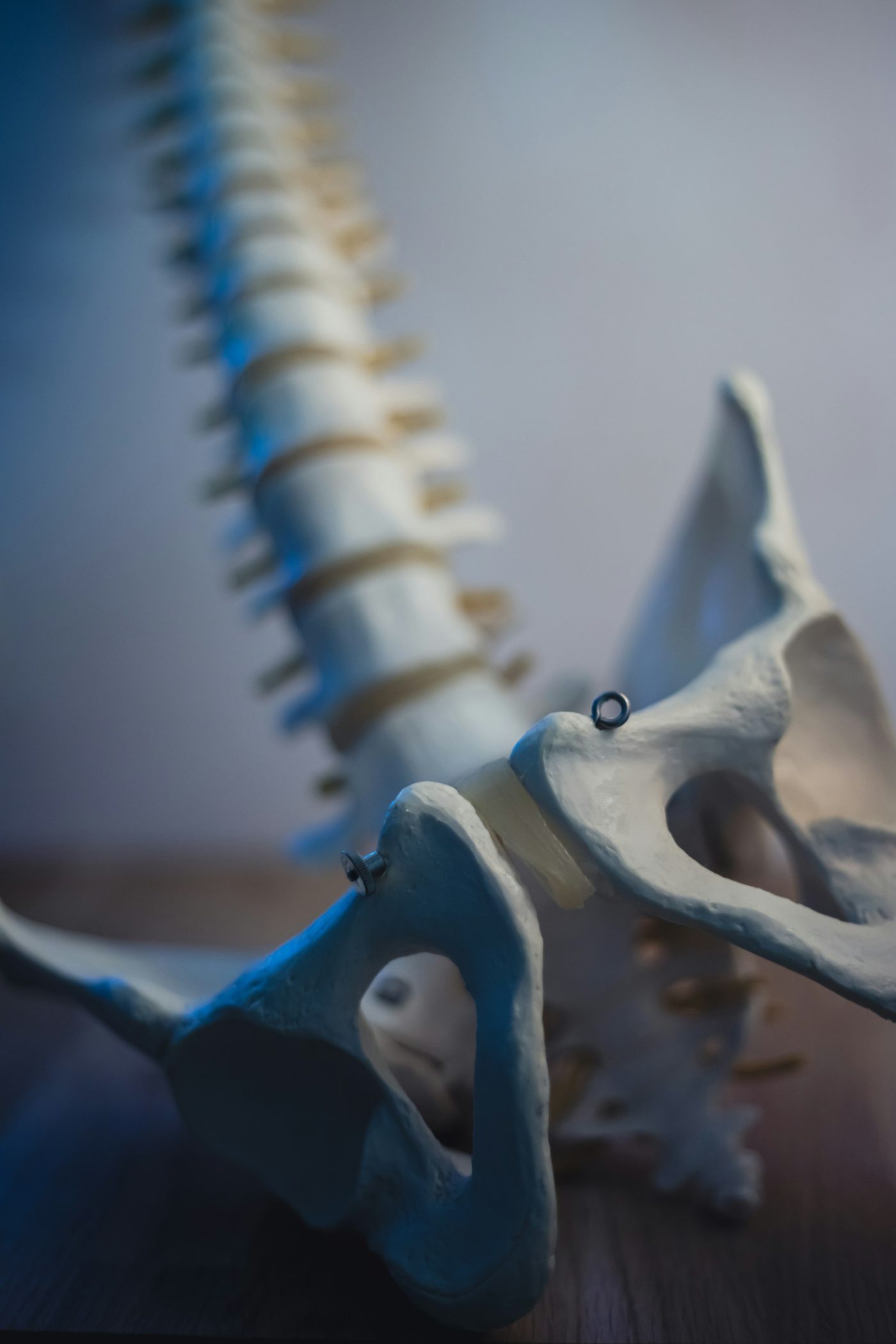
Understanding Osteoporosis
Osteoporosis is a progressive bone disease characterized by decreased bone density and deterioration of bone tissue, leading to increased skeletal fragility and susceptibility to fractures. Often called a "silent disease" because bone loss occurs without symptoms, osteoporosis affects approximately 10 million Americans, with another 44 million having low bone density placing them at increased risk. The condition primarily impacts the spine, hips, and wrists, with fractures potentially causing chronic pain, loss of height, disability, and decreased quality of life. Women are disproportionately affected, with one in two women over age 50 experiencing an osteoporosis-related fracture in their lifetime, though men account for approximately 20% of cases. In Cape Girardeau and throughout Missouri, osteoporosis prevalence aligns with national trends, making proactive bone health management essential for our aging population.
Multiple interconnected factors contribute to osteoporosis development, beginning with the natural bone remodeling process that becomes imbalanced with age. Peak bone mass is typically achieved by age 30, after which bone resorption gradually exceeds formation. Primary risk factors include female sex, advanced age (particularly post-menopausal women due to estrogen decline), family history of osteoporosis or fractures, small body frame, and ethnic background (Caucasian and Asian women face highest risk). Modifiable risk factors encompass inadequate calcium and vitamin D intake, sedentary lifestyle with insufficient weight-bearing exercise, tobacco use, excessive alcohol consumption, and certain medications including long-term corticosteroid therapy, proton pump inhibitors, and some anticonvulsants. Medical conditions that increase osteoporosis risk include rheumatoid arthritis, hyperthyroidism, celiac disease, inflammatory bowel disease, chronic kidney disease, and hormonal disorders affecting parathyroid or adrenal glands. Early menopause (before age 45) or prolonged periods without menstruation significantly accelerate bone loss in women.
Professional osteoporosis treatment is critical because bone loss is largely irreversible without intervention, and fractures carry serious consequences that extend far beyond the immediate injury. Hip fractures, the most devastating complication, result in permanent disability in 50% of cases and mortality rates of 20-25% within one year. Vertebral compression fractures cause chronic pain, kyphosis (hunched posture), height loss, and reduced lung capacity. Beyond physical impact, osteoporotic fractures trigger fear of falling, social isolation, depression, and loss of independence. At Guardian Primary Care, our comprehensive approach addresses osteoporosis through multiple evidence-based strategies: DEXA bone density screening to establish baseline measurements and monitor treatment response, pharmaceutical interventions including bisphosphonates, selective estrogen receptor modulators, parathyroid hormone analogs, RANKL inhibitors, and sclerostin inhibitors tailored to individual risk profiles, calcium and vitamin D supplementation optimization, fall prevention strategies, and lifestyle modifications encompassing weight-bearing exercise, smoking cessation, and dietary counseling. Early detection and proactive management can prevent up to 50% of fractures, preserve mobility and independence, and dramatically improve long-term outcomes and quality of life.
Signs & Symptoms of Osteoporosis
- Receding Gums: Gum recession can indicate bone loss in the jaw, often an early sign of systemic osteoporosis.
- Weakened Grip Strength: Decreased hand grip strength correlates with lower bone mineral density and fracture risk.
- Brittle Fingernails: Weak, brittle nails that break easily may reflect poor bone health and mineral deficiencies.
- Loss of Height: Losing more than 1.5 inches in height suggests vertebral compression fractures from bone loss.
- Stooped Posture: Developing a forward-curved spine (kyphosis) results from vertebral fractures and bone weakening.
- Back Pain: New or worsening back pain may indicate vertebral compression fractures, even without obvious trauma.
- Frequent Fractures: Breaking bones easily from minor falls or normal activities signals significantly weakened bone structure.
- Reduced Mobility: Difficulty walking, climbing stairs, or performing daily activities due to fear of falling or pain.
- Balance Problems: Unsteadiness or frequent near-falls increase fracture risk and limit physical confidence.
- Chronic Pain: Persistent discomfort in back, hips, or joints resulting from micro-fractures or compression fractures.
- Breathing Difficulties: Severe spinal curvature from vertebral fractures can compress the chest cavity and reduce lung capacity.
- Loss of Independence: Requiring assistance with daily activities due to physical limitations and fear of injury.
- Social Withdrawal: Avoiding activities and social interactions due to fear of falling, pain, or self-consciousness about posture.
- Digestive Issues: Abdominal discomfort or early fullness when spinal compression reduces space for internal organs.
What to Expect
- DEXA bone density screening provides precise measurement of bone mineral density to establish baseline and monitor treatment response
- Evidence-based medication therapy including bisphosphonates, RANKL inhibitors, and anabolic agents reduces fracture risk by up to 50%
- Comprehensive fall prevention strategies and home safety evaluation minimize fracture risk from environmental hazards
- Calcium and vitamin D optimization through diet and supplementation supports bone health and treatment effectiveness
- Weight-bearing exercise and resistance training programs improve bone density while reducing fall risk through enhanced balance and strength
- Regular monitoring with follow-up DEXA scans every 1-2 years tracks treatment response and guides therapeutic adjustments
How We Treat Osteoporosis
Comprehensive Assessment
Your journey begins with thorough evaluation including detailed medical history, physical examination focusing on posture and mobility, DEXA bone density scanning to measure bone mineral density at spine and hip, laboratory testing for vitamin D, calcium, thyroid function, and bone turnover markers, assessment of fracture risk using FRAX® tool, and identification of secondary causes of bone loss. We review all medications, dietary habits, exercise patterns, and fall risk factors to create your complete bone health profile.
Personalized Treatment Plan
Based on your assessment, we develop an individualized treatment strategy combining appropriate pharmacological intervention, nutritional supplementation optimization, exercise prescription emphasizing weight-bearing and resistance training, fall prevention strategies including home safety evaluation, and management of underlying conditions contributing to bone loss. Your plan considers your specific risk factors, treatment preferences, lifestyle, and overall health goals, with medications selected based on fracture risk severity, bone density measurements, and individual tolerability.
Ongoing Monitoring & Support
Osteoporosis management requires long-term commitment and regular monitoring. We provide follow-up DEXA scans every 1-2 years to track bone density changes and treatment response, periodic laboratory testing to monitor medication effects and nutritional status, medication adherence support and side effect management, regular review of exercise and fall prevention strategies, and adjustment of treatment based on your progress and evolving research. Our team remains accessible for questions and concerns throughout your treatment journey.
Benefits
Board-Certified Nurse Practitioner
Our care team is led by a board-certified family nurse practitioner who manages bone health and osteoporosis as part of comprehensive primary care, staying current with the latest treatment guidelines and research.
Personalized Care
We recognize that every patient's bone health journey is unique, customizing treatment plans based on your specific risk factors, medical history, lifestyle, and personal preferences.
Telehealth Available
Access convenient virtual visits for medication management, lab result reviews, treatment adjustments, and ongoing support, with in-person appointments for physical exams and procedures when needed.
Comprehensive Bone Health Care
Bone health management focused on preventing fractures, protecting independence and supporting quality of life, from screening through long-term treatment.
Your Treatment Journey
First Evaluation (Week 1)
Your initial appointment includes comprehensive medical history review, physical examination, fracture risk assessment, and discussion of symptoms or concerns. We order DEXA bone density scan and appropriate laboratory tests including vitamin D, calcium, thyroid function, complete blood count, and bone turnover markers. This thorough evaluation typically requires one extended appointment, with diagnostic testing completed within the first week. We'll discuss preliminary impressions and schedule follow-up to review complete results and develop your treatment plan.
Treatment Begins (Weeks 2-4)
Once DEXA and laboratory results are available, we review findings together and develop your personalized treatment plan. We initiate appropriate medication therapy with detailed instructions for administration and timing, optimize calcium and vitamin D supplementation, provide exercise recommendations, review fall prevention strategies, and address any questions or concerns. Most patients begin seeing our team within 2-4 weeks of initial contact. Medication selection depends on your bone density results, fracture risk score, and individual factors. We ensure you understand your treatment plan and feel confident moving forward.
Progress Review (Months 2-3)
Early follow-up appointments assess treatment tolerance, medication adherence, side effect management, and lifestyle modification implementation. We address any challenges with medication administration, adjust timing or formulations if needed, review exercise progress, and reinforce fall prevention strategies. This period focuses on optimizing your treatment regimen and establishing sustainable habits. Most patients adapt well to their treatment plan within the first few months, though adjustments are common and expected as we fine-tune your approach.
Long-Term Management
Osteoporosis requires ongoing management and monitoring. Follow-up DEXA scans typically occur every 1-2 years to assess treatment response and bone density changes. We monitor bone turnover markers, vitamin D levels, and kidney function periodically. Regular appointments review medication continuation versus potential drug holidays for certain treatments, assess new fracture risk factors, update exercise programs, and adjust treatment as needed based on your response and evolving guidelines. While bone density improvement takes time (typically 12-24 months to see significant changes), fracture risk reduction begins soon after starting effective treatment. Our goal is preserving your bone health, maintaining independence, and preventing fractures throughout your lifetime.
Evidence-Based Treatment Modalities
Our evidence-based treatment approach utilizes multiple therapeutic modalities tailored to individual needs. Bisphosphonates (alendronate, risedronate, ibandronate, zoledronic acid) remain first-line therapy for most patients, reducing fracture risk by 50% by inhibiting bone resorption. Selective estrogen receptor modulators (SERMs) like raloxifene provide bone protection with additional benefits for breast cancer risk reduction in postmenopausal women. RANK ligand inhibitors (denosumab) offer potent bone protection with convenient twice-yearly subcutaneous injections. Parathyroid hormone analogs (teriparatide, abaloparatide) uniquely stimulate new bone formation and are reserved for severe osteoporosis or treatment failures. Sclerostin inhibitors (romosozumab) represent the newest class, simultaneously increasing bone formation and decreasing resorption. We ensure adequate calcium (1,200 mg daily) and vitamin D (800-1,000 IU daily) through diet and supplementation, and incorporate weight-bearing exercise, resistance training, and balance exercises proven to improve bone density and reduce fall risk. Treatment selection considers your fracture risk level, age, menopausal status, kidney function, dental health, medication tolerance, and treatment preferences.
Closing Symptoms Note
If you recognize these signs, help is available. Early treatment leads to better outcomes, preventing fractures and preserving your quality of life and independence.
Common Questions About Osteoporosis
How long does osteoporosis treatment take?
Osteoporosis treatment is typically long-term, often continuing for many years or indefinitely. While fracture risk reduction begins within months of starting medication, measurable bone density improvement takes 12-24 months. Most bisphosphonate treatments continue for 3-5 years before considering a drug holiday, during which fracture risk remains reduced. Other medications like denosumab require continuous use without breaks. Your specific treatment duration depends on your initial bone density, fracture risk, treatment response, and medication type. Regular DEXA scans and clinical assessments guide decisions about continuing, adjusting, or temporarily pausing treatment. The goal is lifelong bone health management rather than short-term cure.
Is medication always required for osteoporosis?
Not everyone with low bone density requires medication. Treatment decisions depend on your T-score (bone density measurement), 10-year fracture risk calculated using the FRAX® tool, age, sex, and personal fracture history. Patients with osteopenia (mild bone loss, T-score -1.0 to -2.5) and low fracture risk may manage their condition through calcium and vitamin D supplementation, weight-bearing exercise, smoking cessation, and alcohol moderation. However, patients with osteoporosis (T-score -2.5 or below), previous fractures, high FRAX scores, or secondary causes of bone loss typically benefit from pharmacological intervention. Lifestyle modifications alone cannot adequately reduce fracture risk in established osteoporosis. We'll carefully assess your individual situation and discuss whether medication is recommended based on current clinical guidelines and your specific risk profile.
Does insurance cover osteoporosis treatment?
Most insurance plans, including Medicare, cover osteoporosis treatment when medically appropriate. Medicare Part B covers DEXA bone density scans once every 24 months (or more frequently if medically necessary) for qualified beneficiaries. Medicare Part D and most private insurance plans cover osteoporosis medications, though some require prior authorization or step therapy. Generic bisphosphonates are typically covered with low copays, while newer agents like romosozumab may require prior authorization demonstrating treatment failure with first-line options. Our practice works with your insurance company to obtain necessary authorizations and explore patient assistance programs for medications with high out-of-pocket costs. We'll verify your coverage, discuss expected costs upfront, and help navigate insurance requirements to ensure you receive appropriate treatment without unnecessary financial burden.
What if my osteoporosis treatment isn't working?
Treatment response is monitored through follow-up DEXA scans and clinical assessment. "Failure" is defined as continued bone density loss, new fractures, or inability to tolerate medication. First, we investigate potential causes including medication non-adherence, improper administration technique, malabsorption issues, inadequate vitamin D levels, unrecognized secondary causes of bone loss, or incorrect initial diagnosis. Many apparent treatment failures result from correctable factors. If you're experiencing continued bone loss despite optimal therapy, we explore alternative medications from different drug classes, switching from oral bisphosphonate to denosumab injections, for example, or transitioning to anabolic agents like teriparatide that stimulate new bone formation. Sequential therapy using multiple drug classes over time is common in osteoporosis management. We may also refer you to an endocrinologist specializing in metabolic bone disorders for complex cases requiring specialized expertise.
Can osteoporosis treatment be done through telehealth?
Many aspects of osteoporosis management work well through telehealth, making ongoing care more convenient. Virtual visits are ideal for reviewing DEXA scan and laboratory results, discussing medication changes, addressing side effects or concerns, monitoring treatment adherence, providing lifestyle counseling, and routine follow-up appointments. However, your initial evaluation requires an in-person visit for physical examination, postural assessment, and clinical evaluation. DEXA scans must be performed at imaging centers, though we coordinate these services and review results virtually. Certain injectable medications (zoledronic acid infusions, for example) require in-person administration at medical facilities. We customize your care using a hybrid approach, strategic in-person visits when physical examination or procedures are necessary, combined with convenient telehealth appointments for medication management and ongoing monitoring. This model provides comprehensive care while minimizing travel and time commitments.
Can osteoporosis be reversed or cured?
While osteoporosis cannot be completely "cured," it can be effectively managed and bone density can improve with appropriate treatment. Anabolic medications like teriparatide and romosozumab can stimulate new bone formation and increase bone density substantially, some patients improve enough to move from osteoporosis to osteopenia range. However, the underlying tendency toward bone loss remains, requiring ongoing management even after density improves. The goal of treatment is fracture prevention rather than achieving "normal" bone density. Even modest improvements in bone mineral density significantly reduce fracture risk. Antiresorptive medications prevent further bone loss and maintain gains achieved with anabolic therapy. Think of osteoporosis management like controlling high blood pressure or diabetes: ongoing treatment controls the condition and prevents complications, but the underlying predisposition persists. With appropriate lifelong management, most patients maintain bone health, avoid fractures, and preserve independence and quality of life.
Related Conditions
Related
Osteoarthritis & Joint Pain
Comprehensive management of osteoarthritis with personalized treatment plans to reduce pain and improve joint function.
Related
Vitamin Deficiencies
Vitamin D and other nutritional deficiencies directly affect bone strength and fracture risk.
Related
Thyroid Disorders
Expert diagnosis and treatment of hypothyroidism and hyperthyroidism, both of which can significantly impact bone health and metabolism.
Get Help for Osteoporosis Today
You don't have to face osteoporosis alone. Our team is ready to help you strengthen your bones and protect your future.
Schedule an Appointment