
Dementia and Alzheimer's Disease Treatment in Cape Girardeau
Compassionate, comprehensive care for cognitive health challenges that respects dignity while addressing medical needs. Our evidence-based approach provides families with the guidance, support, and treatment they need during this difficult journey.
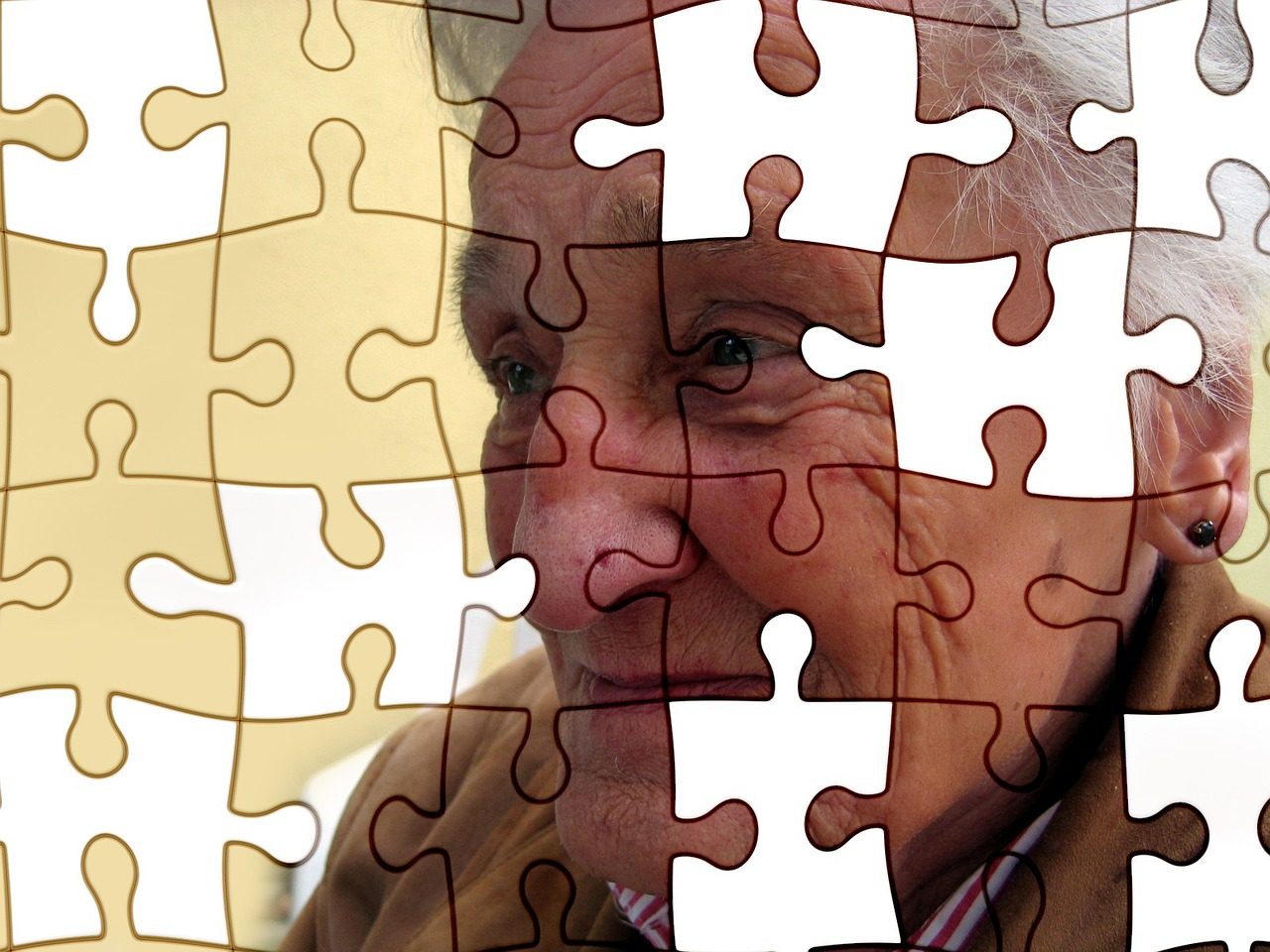
Understanding Dementia and Alzheimer's Disease
Dementia is an umbrella term for a decline in cognitive function severe enough to interfere with daily life, while Alzheimer's disease is the most common form of dementia, accounting for 60-80% of cases. These progressive conditions affect memory, thinking, behavior, and the ability to perform everyday activities. In Cape Girardeau and across the United States, more than 6 million Americans are living with Alzheimer's disease, with that number projected to nearly triple by 2050. The impact extends far beyond the individual, affecting families, caregivers, and entire communities as loved ones navigate the emotional and practical challenges of cognitive decline. Early detection and comprehensive management are crucial for maintaining quality of life, planning for the future, and potentially slowing disease progression.
The causes of Alzheimer's disease and related dementias are complex and multifactorial. Alzheimer's is characterized by abnormal protein deposits in the brain (beta-amyloid plaques and tau tangles) that disrupt communication between neurons and eventually lead to cell death. Risk factors include advancing age (the greatest risk factor), family history and genetics (particularly the APOE-e4 gene), cardiovascular disease, diabetes, hypertension, smoking, obesity, head trauma, and social isolation. Other types of dementia have different underlying causes: vascular dementia results from reduced blood flow to the brain, often following strokes; Lewy body dementia involves abnormal protein deposits called Lewy bodies; frontotemporal dementia affects the frontal and temporal lobes and typically begins at a younger age; and mixed dementia involves a combination of pathologies. While age is the primary risk factor, dementia is not a normal part of aging, and understanding individual risk factors helps guide prevention strategies and early intervention.
Professional medical care is essential for accurate diagnosis, appropriate treatment, and comprehensive support throughout the disease course. Many conditions can mimic dementia symptoms, including vitamin deficiencies, thyroid disorders, depression, medication side effects, and infections, making proper evaluation critical. Early diagnosis allows families to access treatments that may temporarily improve symptoms or slow progression, participate in clinical trials, make informed legal and financial decisions while the person can still contribute, plan for care needs, and address safety concerns proactively. At Guardian Primary Care in Cape Girardeau, we provide thorough assessments, coordinate with specialists when needed, manage medications and comorbid conditions, support caregivers who are often under tremendous stress, and ensure continuity of care as needs evolve. While we cannot cure Alzheimer's disease or most dementias, we can significantly improve quality of life, reduce complications, and help families navigate this challenging journey with compassion and expertise.
Signs & Symptoms of Dementia and Alzheimer's Disease
- Memory Loss Affecting Daily Life - Forgetting recently learned information, important dates, or asking the same questions repeatedly, especially in early-stage Alzheimer's.
- Difficulty Planning or Problem-Solving - Trouble following familiar recipes, keeping track of bills, or working with numbers that were previously routine tasks.
- Confusion with Time or Place - Losing track of dates, seasons, or the passage of time; forgetting where you are or how you got there.
- Language and Communication Difficulties - Struggling to follow or join conversations, stopping mid-sentence, or calling things by the wrong name.
- Misplacing Items - Putting things in unusual places and being unable to retrace steps to find them, sometimes accusing others of stealing.
- Decreased Judgment - Poor decision-making, giving away large sums of money, or neglecting personal grooming and hygiene.
- Difficulty with Visual and Spatial Relationships - Problems reading, judging distance, determining color or contrast, which may cause difficulty driving.
- Withdrawal from Activities - Removing oneself from hobbies, social activities, or work projects due to difficulty keeping up or awareness of changes.
- Mood and Personality Changes - Becoming confused, suspicious, depressed, fearful, or anxious, especially when outside comfort zones or routines are disrupted.
- Agitation and Aggression - Increased irritability, restlessness, or verbal or physical aggression, particularly later in the day (sundowning).
- Sleep Disturbances - Changes in sleep patterns including insomnia, frequent waking, daytime sleeping, or wandering at night.
- Delusions or Hallucinations - Believing things that aren't true or seeing, hearing, or experiencing things that aren't present, common in later stages.
- Inappropriate Social Behavior - Loss of social inhibitions, making inappropriate comments, or behaving in ways that are out of character.
- Difficulty Completing Familiar Tasks - Struggling to complete daily tasks such as driving to familiar locations, managing budgets, or remembering game rules.
- Apathy and Loss of Initiative - Becoming very passive, requiring prompting to engage, or losing interest in activities that were once meaningful.
What to Expect
- Comprehensive cognitive assessment including detailed medical history, screening tests, and laboratory work to rule out reversible causes
- Personalized treatment plans incorporating medication management when appropriate and coordination with specialists
- Ongoing monitoring with regular follow-up visits to track progression and adjust care as the disease evolves through different stages
- Family-centered approach actively involving caregivers in care planning and providing education, support resources, and respite guidance
- Evidence-based interventions including management of vascular risk factors, behavioral symptom treatment, and non-pharmacological therapies
- Long-term partnership supporting both patient and family throughout the entire disease course with compassion and expertise
How We Treat Dementia and Alzheimer's Disease
Comprehensive Assessment
We begin with a thorough evaluation including detailed medical history, cognitive screening tests, physical and neurological examination, and laboratory work to rule out reversible causes of cognitive impairment. We assess functional abilities, review all medications, and gather information from family members to understand the full scope of symptoms. When indicated, we coordinate referrals for brain imaging or neuropsychological testing to establish an accurate diagnosis and severity staging.
Personalized Treatment Plan
Based on your diagnosis, stage of disease, and individual circumstances, we develop a customized treatment approach. This includes medication management when appropriate, treatment of comorbid conditions that can worsen cognition, safety planning to prevent falls and wandering, caregiver education and support resources, advance care planning discussions, and coordination with specialists such as neurologists, geriatricians, or memory disorder clinics. We address each person's unique needs while maintaining their dignity and independence for as long as possible.
Ongoing Care & Monitoring
Dementia care is a continuous journey requiring regular monitoring and plan adjustments. We schedule follow-up visits to track cognitive changes, assess medication effectiveness and side effects, manage behavioral symptoms as they emerge, screen for depression and anxiety which commonly co-occur, provide caregiver support and respite resources, and adjust the care plan as the disease progresses through different stages. We serve as your medical home, coordinating all aspects of care and ensuring both patient and family receive the support they need.
Benefits
Expert Clinical Knowledge
Board-certified nurse practitioner caring for patients through every stage of cognitive change, staying current with the latest research and treatment advances.
Whole-Person, Family-Centered Care
We treat the entire person and actively involve family members in care planning, recognizing that dementia affects the whole family system and caregivers need support too.
Convenient Telehealth Access
Virtual visits available for follow-up appointments, caregiver consultations, and medication management, reducing the burden of transportation for patients with mobility or cognitive challenges.
Extensive Experience with Cognitive Disorders
Experience caring for patients through all stages of dementia, from early diagnosis through advanced care, with a steady focus on quality of life for the patient and the family.
Your Treatment Journey
First Evaluation (Week 1)
Your initial visit includes a comprehensive assessment with cognitive screening, medical history review, physical examination, and discussion with family members. We order any necessary laboratory tests or imaging studies and begin establishing baseline function. This typically takes 45-60 minutes and provides the foundation for your diagnosis and treatment plan. We encourage family members or caregivers to attend this appointment to provide additional history and participate in care planning.
Treatment Begins (Weeks 2-4)
Once we receive test results and complete the diagnostic process, we review findings with you and your family, explain the diagnosis and what to expect, initiate appropriate medications if indicated, and develop a comprehensive care plan. We discuss safety considerations, provide educational resources, connect you with support services, and address advance care planning. If medications are started, we schedule a follow-up within 4-6 weeks to assess response and side effects.
Progress Review (Months 2-3)
We reassess cognitive function, evaluate medication effectiveness, address any new symptoms or concerns, and adjust the treatment plan as needed. We check in with caregivers about their well-being and coping strategies, discuss any changes in function or behavior, and reinforce safety measures. This is an important milestone to determine if treatments are providing benefit and whether any adjustments are needed. Family feedback is crucial during this phase.
Long-Term Management (Ongoing)
Dementia care is a long-term partnership. We schedule regular visits every 3-6 months depending on disease stage and stability, with more frequent visits during transitions or if problems arise. We continuously monitor disease progression, manage emerging symptoms, optimize medications, coordinate with specialists, provide ongoing caregiver support, and help families navigate decisions about driving, living arrangements, and care transitions. Our goal is to maintain quality of life, preserve function and dignity, prevent crises, and support both patient and family throughout the entire disease course.
Evidence-Based Treatment Modalities
Our evidence-based treatment approach incorporates multiple therapeutic modalities. For Alzheimer's disease, we may prescribe cholinesterase inhibitors (donepezil, rivastigmine, galantamine) which can temporarily improve or stabilize cognitive function in mild to moderate stages, or memantine for moderate to severe disease. We carefully manage vascular risk factors including hypertension, diabetes, and high cholesterol, as controlling these conditions can slow cognitive decline. Behavioral and psychological symptoms are addressed through environmental modifications, structured routines, validation therapy, and when necessary, judicious use of medications for agitation, depression, or sleep disturbances. We emphasize non-pharmacological interventions including cognitive stimulation, physical exercise which has strong evidence for cognitive benefits, social engagement, and caregiver training in communication techniques and behavior management. Throughout treatment, we maintain open communication with families, connect them with community resources such as the Alzheimer's Association, adult day programs, and support groups, and help navigate the complex decisions about driving, living arrangements, and long-term care planning. Our goal is to maximize quality of life, preserve function and independence for as long as safely possible, and support the entire family system through this challenging journey.
Closing Note on Early Intervention
If you recognize these signs in yourself or a loved one, help is available. Early diagnosis and treatment lead to better outcomes, more time for planning, and improved quality of life.
Common Questions About Dementia and Alzheimer's Disease
Can dementia and Alzheimer's disease be cured?
Currently, there is no cure for Alzheimer's disease or most other types of dementia. However, treatment can provide significant benefits. FDA-approved medications like cholinesterase inhibitors and memantine can temporarily improve or stabilize cognitive symptoms in some people. Managing cardiovascular risk factors, treating depression, maintaining physical and social activity, and providing supportive care can improve quality of life and may slow progression. Recent developments in disease-modifying therapies show promise for certain patients in early stages. While we cannot reverse the disease, comprehensive management makes a meaningful difference in function, behavior, safety, and overall well-being for both patients and their families.
How long does treatment for dementia take to show results?
The timeline varies depending on the type of intervention. Medications for cognitive symptoms typically require 8-12 weeks at therapeutic doses to assess effectiveness; improvements may be subtle and are often more apparent to caregivers than patients. Treatments for behavioral symptoms like depression or agitation may show benefits within 2-4 weeks. However, it's important to understand that dementia is a progressive disease, and "results" often means slowing decline or maintaining function rather than improvement. The benefits of treatment may only become apparent over months when comparing the patient's trajectory to what would have been expected without intervention. Families sometimes notice that a loved one maintains abilities longer than anticipated, experiences fewer behavioral symptoms, or has better quality of life: these are meaningful treatment successes even without dramatic improvement.
Will I need to take medication for dementia?
Not everyone with dementia requires medication, and the decision is highly individualized based on diagnosis, stage of disease, symptoms, overall health, and patient/family preferences. For Alzheimer's disease, medications like donepezil (Aricept), rivastigmine (Exelon), galantamine (Razadyne), or memantine (Namenda) may be recommended to help with cognitive symptoms. These medications don't work for everyone and provide modest benefits, but when effective, they can help maintain function and independence longer. Additional medications may be used to manage behavioral symptoms like agitation, depression, sleep disturbances, or hallucinations. However, we always start with non-pharmacological approaches when possible and use medications judiciously, especially in older adults who may be sensitive to side effects. Our approach is to thoroughly discuss the potential benefits and risks, respect your values and preferences, and develop a treatment plan that feels right for your situation. You are never obligated to take medication, and we support informed decision-making.
Does insurance cover dementia and Alzheimer's treatment?
Most insurance plans, including Medicare, cover medical evaluation and treatment for dementia and Alzheimer's disease. This includes office visits, cognitive assessments, laboratory tests, brain imaging when medically necessary, and prescription medications (typically through Part D for Medicare). Medicare also covers an annual wellness visit that includes cognitive assessment. However, coverage for long-term care services such as assisted living, memory care facilities, or extensive in-home care is generally limited. Medicare covers skilled nursing care for limited periods after hospitalization and some home health services when criteria are met, but does not cover custodial care. Long-term care insurance, Medicaid (for those who qualify), or private pay are typically needed for extended residential or in-home care. We recommend consulting with your insurance provider to understand your specific benefits, and we're happy to provide any documentation needed. Our team can also connect you with resources to help navigate the financial aspects of dementia care.
What if the initial treatment approach isn't working?
Dementia treatment often requires adjustments over time. If initial medications aren't providing benefit or are causing side effects, we can try different medications, adjust dosages, or discontinue treatments that aren't helping. If cognitive medications don't seem effective after an adequate trial, we reassess the diagnosis to ensure accuracy, as some types of dementia respond differently to treatment. For behavioral symptoms, we explore environmental triggers, modify care approaches, adjust daily routines, and consider whether physical health issues (pain, infection, constipation) might be contributing. When patients aren't responding to primary care management, we can refer to specialists such as neurologists, geriatric psychiatrists, or memory disorder clinics for additional evaluation and treatment options. The key is maintaining open communication: if something isn't working, tell us. We're committed to continuously adapting your care plan to provide the best possible quality of life as the disease evolves.
Can telehealth visits work for dementia and Alzheimer's care?
Yes, telehealth can be very effective for many aspects of dementia care, particularly for established patients and follow-up visits. Virtual appointments work well for medication management, addressing caregiver concerns, discussing behavioral strategies, reviewing test results, and providing ongoing support to families. For patients with mobility challenges or those who become agitated by leaving home, telehealth reduces stress and burden. Initial evaluations typically benefit from in-person assessment, as do situations requiring physical examination or when safety concerns need direct observation. We take a hybrid approach, using telehealth when appropriate while scheduling in-person visits when hands-on assessment is needed. Caregiver-only telehealth consultations can also be valuable for discussing management strategies, addressing caregiver stress, or planning for transitions. We'll work with you to determine the best balance of virtual and in-person care for your specific situation, always prioritizing quality care while maximizing convenience.
Related Conditions
Related
Anxiety & Depression
Depression and anxiety commonly occur with dementia and can worsen cognitive symptoms. We provide treatment for both.
Related
Geriatric Health Management
Whole-person care for older adults, including medication review, fall prevention and care coordination.
Related
Insomnia and Sleep Disorders
Sleep disturbances are common in dementia and can worsen cognitive function. We provide treatments to improve sleep quality.
Get Help for Dementia and Alzheimer's Disease Today
You don't have to face dementia and Alzheimer's disease alone. Our team is ready to help you and your family navigate this journey with compassion and expertise.
Schedule an Appointment