
Dementia & Aging Adult Care in Cape Girardeau
Guardian Primary Care supports aging adults facing memory changes and cognitive decline, and the families walking alongside them. Longer visits, a provider you can reach directly, and coordination with the specialists and services your loved one needs.
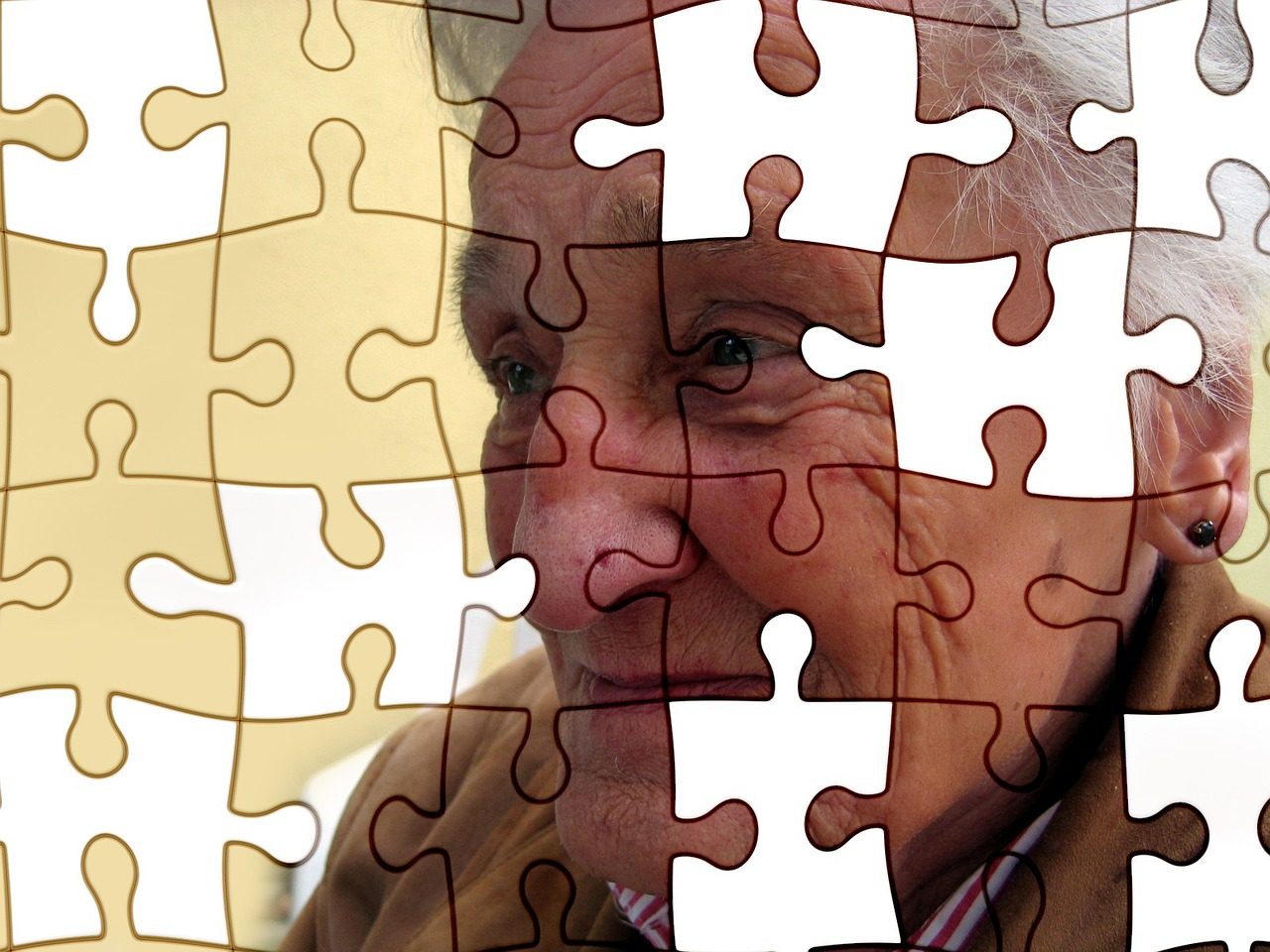
What is Dementia & Aging Adult Care?
Dementia and aging adult care brings together the physical, cognitive and emotional needs that come with getting older, especially when memory loss is part of the picture. Dementia is not one disease. It is an umbrella term for symptoms affecting memory, thinking and social ability severely enough to interfere with daily life. Alzheimer's disease is the most common cause, and vascular dementia, Lewy body dementia, frontotemporal dementia and mixed dementia are also common. Early evaluation, an accurate diagnosis and steady management make a real difference in quality of life for patients and for the people caring for them.
Southeast Missouri's population is aging, and rushed appointments are not enough for care this complex. At Guardian Primary Care you get longer visits, same day or next day availability when something changes, and direct access to your provider. That access matters in dementia care, where a medication side effect, a sudden behavior change or a fall can turn into a crisis while you wait for a call back.
Our care for aging adults goes well beyond memory. We address fall prevention, medication burden, chronic disease management, mobility, nutrition and social isolation. Cognitive decline rarely travels alone: it usually arrives with diabetes, heart disease, arthritis, depression or hearing and vision loss. Looking at all of it together, in one coordinated plan, protects your loved one's dignity and independence for as long as possible.
Signs It May Be Time for an Evaluation
- Memory loss that disrupts daily life, such as forgetting recent information, important dates, or asking the same questions repeatedly
- Trouble planning, solving problems, or finishing familiar tasks at home or at work
- Confusion about time or place, or losing track of dates and seasons
- New difficulty with words when speaking or writing, or trouble following a conversation
- Misplacing things, putting items in unusual places, or being unable to retrace steps
- Poor judgment, particularly with money, grooming or safety
- Pulling away from work, hobbies or social activities that used to be enjoyed
- Changes in mood or personality: suspicion, fear, anxiety or depression
- Repeated falls, trouble managing medications, weight loss, or declining personal hygiene
What to Expect
- Longer appointments that leave room for cognitive assessment, a full medication review and a real family conversation
- Direct access to your provider when behavior changes or a medication is not sitting right
- Coordination across specialists, home health agencies and memory care facilities so transitions do not lose the thread
- Care plans that cover cognitive symptoms, chronic conditions, home safety and caregiver support together
- Regular monitoring that tracks change over time and adjusts the plan as needs shift
- Caregiver education and local resource connections to help prevent burnout
- In network with Medicare, Medicaid and most major commercial insurances
Our Approach to Dementia & Aging Adult Care
A Thorough Evaluation
A longer first appointment allows standardized cognitive screening, a complete medication review, an honest look at daily function and fall risk, nutrition, and how the caregiver is holding up. Where a diagnosis needs confirming, we coordinate the specialist testing and imaging that get you an answer.
A Plan the Family Can Follow
We build an individual plan that treats cognitive symptoms, keeps other conditions under control, trims the medication list where it is safe to do so, puts home safety measures in place, connects home health services, and opens the conversation about advance care planning while there is still time to do it well.
Support That Does Not Stop
Regular monitoring visits, direct access to your provider when something urgent comes up, medication adjustments as needs change, caregiver education and respite planning, community resource connections, and steady coordination with specialists and home health agencies.
Benefits
Time To Do It Properly
Dementia visits cannot be rushed. Assessment, medication review and the family conversation all get the time they need, at the first visit and at every follow up.
Direct Access To Your Provider
Caregivers can reach us with questions about a behavior change, a medication side effect or a safety worry, rather than waiting weeks for the next opening.
Coordinated Specialist Care
We manage referrals to neurology, geriatrics and other specialists while keeping continuity, so every provider is working toward the same goals.
Careful Medication Management
Regular medication reconciliation reduces the pile up of prescriptions, catches interactions, and makes sure each dose is still doing more good than harm.
Family Centered Care
Caregivers are part of every conversation. We provide education, practical strategies and local resources, because caregiver burnout is one of the biggest risks to care at home.
Smooth Transitions
Whether it is home health, an assisted living move or a hospital discharge, we keep the medical thread intact and advocate for your loved one at every handoff.
What to Expect
Your First Visit
A full health history, cognitive screening, physical exam, medication review, and a conversation about concerns and goals with both the patient and family present. We build an initial care plan, order any lab work or imaging that is needed, and schedule follow up. You leave with educational resources and a way to reach us.
Your Follow Up
We review test results together and make referrals if neuropsychological testing or imaging interpretation would help. We may start or adjust medications, discuss advance directives and legal planning, and refine the plan based on early response. Reach out between visits if side effects or new concerns appear.
The First Few Months
Regular monitoring to assess how medications are working, how cognition and daily function are holding, and how the caregiver is doing. We coordinate home health, physical therapy or other services as needed, and keep teaching about what to expect next so nothing catches you off guard.
A Long Term Partnership
Ongoing monitoring with more frequent contact during transitions or crises. We address new symptoms promptly, adjust medications, coordinate hospital or rehab stays, and revisit advance care plans as goals change. You are not doing this alone, and you do not have to wait for the next appointment to ask.
How We Manage Dementia Care
Cognitive medications: for appropriate patients, your provider may prescribe and monitor cholinesterase inhibitors such as donepezil, rivastigmine or galantamine, and memantine, which can help manage symptoms. We weigh benefit against side effects carefully and adjust dosing based on how you actually respond.
Behavioral symptoms: non medication approaches come first for agitation, anxiety, sleep disturbance and behavior changes. When medication is warranted we use it carefully, at the lowest effective dose, with regular reassessment of whether it is still needed.
Chronic conditions: we work to keep blood pressure, blood sugar, cholesterol and cardiovascular disease well controlled, because all of them affect cognitive health. That includes medication reconciliation to remove what is no longer needed, simplify the regimen, and reduce the risk of interactions common in older adults on many prescriptions.
Lifestyle and home safety: we give practical guidance on nutrition, physical activity, cognitive stimulation, social engagement and changes to the home. Regular movement, good nutrition, mental engagement and staying socially connected all help preserve function and quality of life as dementia progresses.
Caregiver support: dementia affects the whole family. We provide education about what is coming, communication strategies that actually work, ways to handle difficult behavior, honest conversation about caregiver self care, and connections to local support and respite services.
Common Questions About Dementia & Aging Adult Care
What is the difference between normal aging and dementia?
Normal aging can include occasional forgetfulness, like misplacing keys, without interfering much with daily life. Dementia is a progressive decline across several areas of thinking, such as memory, language, problem solving and judgment, that gets in the way of independence. Warning signs include getting lost in familiar places, trouble managing money, repeating questions within minutes, and personality changes. If you are worried, an evaluation can tell the difference between normal aging and early cognitive impairment.
Can dementia be reversed or cured?
Most forms of dementia, including Alzheimer's disease, are progressive and currently have no cure. Some causes of cognitive impairment, however, can be reversed: vitamin B12 deficiency, thyroid disorders, depression, medication side effects and normal pressure hydrocephalus among them. That is exactly why a thorough evaluation matters. Even when dementia is not reversible, an early diagnosis opens the door to treatments that manage symptoms, improve safety and protect quality of life.
Will insurance cover this care?
Guardian Primary Care is in network with Medicare, Medicaid and most major commercial insurances. Coverage varies by plan, so call us at (573) 200-6143 with your card and we will check your benefits before the visit. If you would rather not use insurance for primary care, Guardian Direct Care offers transparent monthly pricing, including $70 per month for seniors 65 and older.
When should we consider memory care or nursing home placement?
This is a deeply personal decision that depends on safety, caregiver capacity and quality of life for everyone involved. Warning signs include unsafe wandering, aggressive behavior, inability to manage medications or meals, caregiver exhaustion or declining caregiver health, and incontinence that needs constant supervision. Many families move through it in stages: adult day programs first, then assisted living with memory care, then skilled nursing as needs grow. We will help you think it through with compassion and keep your loved one's medical care continuous through the transition.
What caregiver resources are available in the Cape Girardeau area?
The Alzheimer's Association offers support groups, education and a helpline for families. The Area Agency on Aging can point you to respite care, adult day services and home health options. Locally, there are home health agencies, medical equipment suppliers and memory care facilities serving Cape Girardeau, Jackson, Scott City and the surrounding area. Tell us what you need and we will help you find the right fit and coordinate the services so they work together.
Related Services
Condition
Dementia & Alzheimer's Disease
What the diagnosis means, how it progresses, and what can be done at each stage.
Related
Family Primary Care
Everyday primary care for adults of every age, including the chronic conditions that travel alongside cognitive change.
Related
Wellness & Prevention
Screenings, fall prevention and health maintenance that help aging adults stay independent longer.
Let's Talk About Your Loved One
Call (573) 200-6143 or request an appointment online. We will give this the time it deserves.
Book an Appointment