Skin Conditions and Rashes Treatment in Cape Girardeau
From persistent eczema to unexplained rashes, skin conditions can significantly impact your comfort, confidence, and quality of life. At Guardian Primary Care, we provide comprehensive evaluation and evidence-based treatment for a wide range of dermatological concerns, helping Cape Girardeau residents achieve healthier, clearer skin.
Understanding Skin Conditions and Rashes
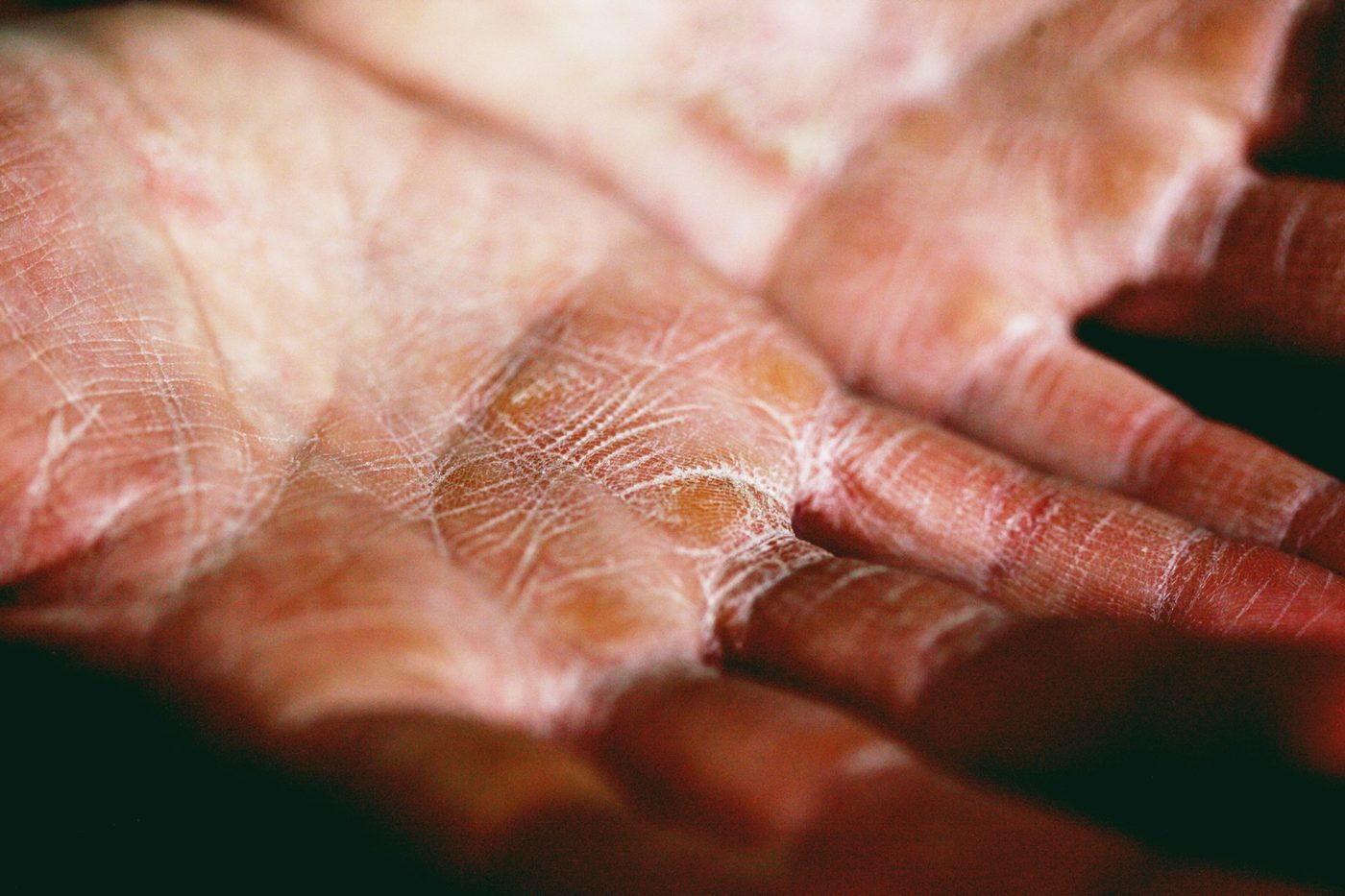
Skin conditions and rashes encompass a diverse spectrum of dermatological disorders that affect millions of Americans every year. These conditions range from common issues like contact dermatitis, eczema (atopic dermatitis), and psoriasis to more complex presentations including seborrheic dermatitis, rosacea, fungal infections, and autoimmune-related skin manifestations. While some rashes appear suddenly and resolve on their own, others persist chronically, causing discomfort, itching, pain, and visible changes that can profoundly affect self-esteem and daily functioning. The skin, being the body's largest organ and first line of defense, responds to internal and external stressors in varied ways, making accurate diagnosis essential for effective treatment. In Cape Girardeau's humid subtropical climate, certain skin conditions may be exacerbated by environmental factors including heat, humidity, allergens, and seasonal variations.
The causes of skin conditions and rashes are multifactorial and often involve complex interactions between genetic predisposition, immune system function, environmental triggers, allergens, irritants, infections (bacterial, viral, or fungal), and systemic health conditions. Atopic dermatitis, for instance, often has hereditary components and is associated with immune dysregulation and impaired skin barrier function. Psoriasis involves accelerated skin cell turnover driven by immune system activation. Contact dermatitis results from exposure to allergens or irritants such as soaps, metals, plants, or chemicals. Rosacea may be triggered by temperature changes, spicy foods, alcohol, or stress. Fungal infections like ringworm and candidiasis thrive in warm, moist environments. Additionally, certain medications, autoimmune diseases, and systemic illnesses can manifest as skin rashes. Understanding the underlying cause is critical, not only for symptom relief but for preventing recurrence and addressing any associated health concerns.
Professional medical evaluation is vital when dealing with persistent, worsening, or unexplained skin conditions. While over-the-counter creams and home remedies may provide temporary relief, they rarely address underlying causes and can sometimes worsen symptoms or delay appropriate treatment. A comprehensive assessment by a trained primary care provider can differentiate between benign rashes and those indicating serious conditions such as infections, drug reactions, or systemic disease. Early intervention can prevent complications including secondary infections from scratching, scarring, pigmentation changes, and emotional distress. At Guardian Primary Care, we take a thorough, patient-centered approach to diagnosing skin conditions, combining detailed history-taking, physical examination, and when necessary, laboratory testing or referral to dermatology specialists. Our goal is not just to treat symptoms but to identify root causes, develop sustainable management strategies, and restore your skin health and confidence.
Signs & Symptoms of Skin Conditions and Rashes
- Red, inflamed patches or spots
- Persistent itching or burning
- Dry, cracked, or scaling skin
- Blisters, bumps, or hives
- Oozing, crusting, or weeping lesions
- Swelling or tenderness
- Thickened or discolored patches
- Self-consciousness about appearance
- Sleep disruption from itching
- Impact on work or school performance
- Anxiety or depression
- Avoidance of physical activities
- Frustration with recurring symptoms
- Reduced quality of life
What to Expect
- Comprehensive assessment including detailed history, thorough skin examination, and diagnostic testing when needed to accurately identify your condition
- Personalized treatment plans incorporating topical medications, oral therapies, lifestyle modifications, and trigger avoidance strategies tailored to your diagnosis
- Board-certified nurse practitioner with extensive experience diagnosing and treating diverse dermatological conditions from common rashes to chronic inflammatory disorders
- Ongoing monitoring and support with scheduled follow-ups to assess treatment effectiveness, prevent recurrence, and adjust care as needed
- Telehealth options available for convenient virtual consultations, follow-up visits, and evaluation of skin conditions that can be assessed remotely
- Coordination with dermatology specialists for complex or refractory cases to ensure comprehensive expert care throughout your treatment journey
How We Treat Skin Conditions and Rashes
Comprehensive Assessment
We begin with a detailed history and thorough skin examination to identify the type, distribution, and characteristics of your rash or condition. We explore potential triggers, medical history, medications, allergies, and lifestyle factors. When needed, we may perform diagnostic tests such as skin cultures, fungal scrapings, or allergy testing to confirm the diagnosis and rule out underlying systemic conditions.
Personalized Treatment Plan
Based on your diagnosis, we create an individualized treatment strategy tailored to the severity and type of your skin condition. This may include topical medications, oral therapies, lifestyle modifications, and trigger avoidance strategies. We explain each treatment option clearly, discuss potential side effects, and empower you with the knowledge to participate actively in your care and make informed decisions about your treatment approach.
Ongoing Monitoring & Support
Skin conditions often require ongoing management and adjustment of treatment approaches. We schedule follow-up visits to monitor your progress, assess treatment effectiveness, and modify the plan as needed. We provide continuous support, education about flare-up prevention, and guidance on maintaining skin health. For complex or refractory cases, we coordinate with dermatology specialists to ensure you receive comprehensive, expert care throughout your treatment journey.
Benefits
Board-Certified Nurse Practitioner
Our care team is led by a board-certified family nurse practitioner who diagnoses and treats common skin conditions as part of comprehensive primary care. We stay current with the latest evidence-based protocols and treatment guidelines to ensure you receive the highest standard of care.
Personalized, Patient-Centered Care
We recognize that every patient and every skin condition is unique. We take time to understand your individual symptoms, concerns, lifestyle, and treatment preferences, creating customized care plans that fit your needs and goals rather than applying one-size-fits-all solutions.
Telehealth Available
Many skin conditions can be effectively evaluated and managed through secure telehealth visits, allowing you to receive expert care from the comfort of your home. We offer flexible scheduling and virtual consultations to make quality dermatological care more accessible and convenient for Cape Girardeau residents.
Experience with Skin Conditions
We evaluate and treat a wide range of skin conditions, from common rashes to chronic inflammatory disorders. We have the clinical expertise, diagnostic tools, and therapeutic resources to address both straightforward and complex dermatological presentations with confidence and compassion.
Your Treatment Journey
First Evaluation (Week 1)
During your initial visit, we conduct a comprehensive assessment including a detailed history, physical examination of your skin, and review of any previous treatments. We discuss your symptoms, potential triggers, and lifestyle factors. Depending on your presentation, we may order diagnostic tests or begin treatment immediately. You'll leave with a clear understanding of your diagnosis and a personalized treatment plan.
Treatment Begins (Weeks 2-4)
You'll start your prescribed treatment regimen, which may include topical medications, oral therapies, or lifestyle modifications. Many patients notice improvement in itching, redness, and discomfort within the first few days to weeks. We provide clear instructions on how to use medications, apply treatments, and avoid triggers. You'll have access to our team for questions or concerns as you begin your healing process.
Progress Review (Months 2-3)
We schedule follow-up visits to assess your response to treatment, monitor for side effects, and adjust the plan as needed. If symptoms have improved significantly, we may taper medications or transition to maintenance therapy. If progress is slower than expected, we explore alternative treatments or consider specialist referral. Our goal is continuous improvement and prevention of recurrence.
Long-term Management
For chronic conditions like eczema, psoriasis, or rosacea, ongoing management is key to maintaining clear, healthy skin. We work with you to develop sustainable strategies for flare-up prevention, identify and manage triggers, and optimize your skincare routine. Regular check-ins, patient education, and proactive adjustments help you maintain control over your skin health and enjoy lasting relief and confidence.
Evidence-Based Treatment Modalities
Our evidence-based treatment approach incorporates a range of therapeutic modalities tailored to your specific condition. For inflammatory conditions like eczema and psoriasis, we may prescribe topical corticosteroids, calcineurin inhibitors, or moisturizing regimens to restore the skin barrier and reduce inflammation. For bacterial infections such as impetigo or cellulitis, we use appropriate oral or topical antibiotics. Fungal infections including ringworm, athlete's foot, and yeast infections are treated with antifungal medications in topical or oral form depending on severity and location.
For allergic reactions and contact dermatitis, we focus on identifying and eliminating triggers, prescribing antihistamines to relieve itching, and using anti-inflammatory agents to calm the immune response. Rosacea management includes gentle skincare, trigger avoidance, topical medications like metronidazole or azelaic acid, and sometimes oral antibiotics or other systemic therapies. We also emphasize the importance of proper skin care routines, gentle cleansers, fragrance-free moisturizers, sun protection, and lifestyle modifications to support long-term skin health. Our goal is to achieve symptom relief, prevent complications, and improve your overall quality of life through compassionate, comprehensive care.
Additional Symptoms Context
If you recognize these signs, help is available. Early treatment leads to better outcomes, faster relief, and prevention of complications. Our team is ready to provide the comprehensive care you deserve.
Common Questions About Skin Conditions and Rashes
How long does it take to see improvement in my skin condition?
The timeline for improvement varies depending on the type and severity of your skin condition. Acute rashes from allergic reactions or contact dermatitis may improve within days to a week with appropriate treatment. Bacterial or fungal infections typically show improvement within 1-2 weeks of starting medication. Chronic inflammatory conditions like eczema, psoriasis, or rosacea often require several weeks to months of consistent treatment to achieve significant improvement. During your evaluation, we'll provide realistic expectations based on your specific diagnosis and treatment plan.
Will I need to take medication for my skin condition?
Treatment depends on your specific diagnosis. Many skin conditions respond well to topical treatments such as medicated creams, ointments, or lotions applied directly to affected areas. More severe, widespread, or resistant conditions may require oral medications including antibiotics, antifungals, antihistamines, or anti-inflammatory agents. Some conditions can be managed primarily through lifestyle modifications, gentle skincare routines, and trigger avoidance. We'll discuss all treatment options with you and create a plan that balances effectiveness with your preferences and lifestyle.
Does insurance cover treatment for skin conditions and rashes?
Most health insurance plans cover medically necessary evaluation and treatment of skin conditions and rashes, as these are legitimate medical concerns affecting health and quality of life. Coverage typically includes office visits, diagnostic testing, and prescribed medications. Guardian Primary Care is in network with most major commercial insurances, Medicare and Medicaid, and Guardian Direct Care is available as an alternative with predictable monthly pricing that covers most in-office services. We can review your coverage for prescriptions, specialist referrals and any necessary testing during your visit.
What if treatment isn't working or my symptoms come back?
If your initial treatment isn't providing adequate relief, we'll reassess your diagnosis, review treatment adherence, and explore alternative therapeutic options. Skin conditions can be complex and sometimes require adjustments to find the most effective approach. We may increase medication strength, try different medication classes, order additional testing, or refer you to a dermatology specialist for more advanced care. Recurrent symptoms may indicate unidentified triggers, inadequate treatment duration, or the need for long-term maintenance therapy. We're committed to working with you until we achieve satisfactory control of your condition.
Can I use telehealth for skin condition treatment?
Yes, many skin conditions can be effectively evaluated and managed through telehealth visits. Virtual consultations work well for follow-up visits, treatment adjustments, and evaluation of rashes or lesions that can be clearly visualized through photos or video. During a telehealth visit, we can review your symptoms, examine affected areas visually, discuss treatment options, and prescribe medications when appropriate. Some situations may require an in-person examination for thorough assessment, palpation, or diagnostic procedures, but telehealth offers convenient access to care for many dermatological concerns.
When should I see a provider instead of treating a rash at home?
Seek professional evaluation if your rash persists for more than a week despite home treatment, is spreading rapidly, is extremely painful or itchy, is accompanied by fever or other systemic symptoms, shows signs of infection (increasing redness, warmth, pus, or streaking), affects large areas of your body, involves your face or genitals, or is interfering significantly with sleep or daily activities. Additionally, seek urgent care if you develop sudden widespread rash with difficulty breathing, swelling of the face or throat, or dizziness, as these may indicate a severe allergic reaction requiring immediate medical attention.
Related Conditions
Related
Allergies & Sinus Problems
Comprehensive evaluation and management of environmental and seasonal allergies affecting your quality of life.
Related
Acute Illness Care
Diagnosis and treatment of bacterial, viral, and fungal infections, including those affecting the skin.
Related
Diabetes Management
Diabetes affects skin healing and raises the risk of infection and slow-healing wounds.
Get Help for Skin Conditions and Rashes Today
You don't have to face skin conditions and rashes alone. Our team is ready to help you achieve healthier, clearer skin and renewed confidence.
Schedule an Appointment