Hypertension (High Blood Pressure) Treatment in Cape Girardeau
High blood pressure affects millions of Americans and is a leading risk factor for heart disease, stroke, and kidney damage. At Guardian Primary Care, we provide comprehensive, personalized hypertension management to help you achieve healthy blood pressure levels and protect your long-term health.
Understanding Hypertension (High Blood Pressure)
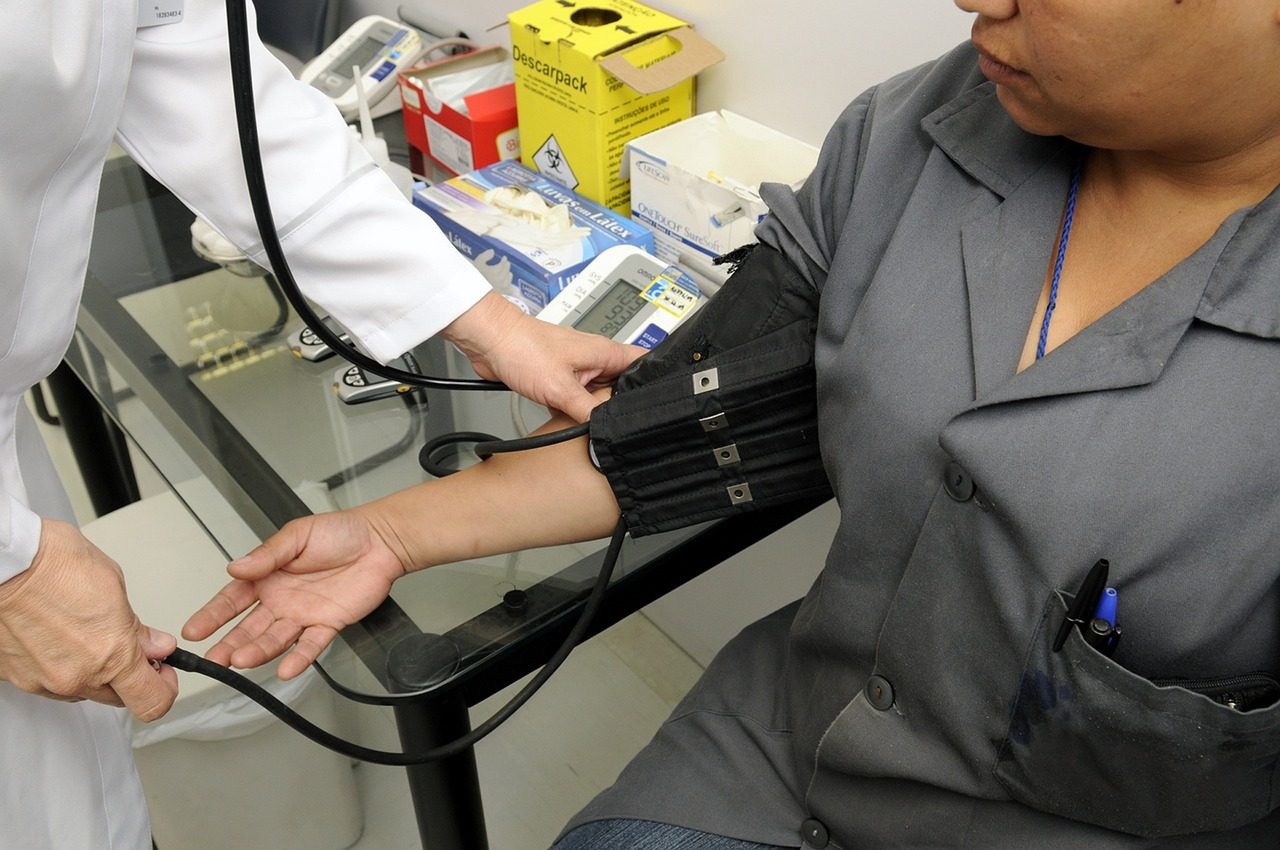
Hypertension, commonly known as high blood pressure, is a chronic medical condition in which the force of blood against artery walls is consistently too high. Often called the "silent killer," hypertension typically has no symptoms but significantly increases the risk of heart attack, stroke, heart failure, kidney disease, and vision loss. Nearly half of American adults have high blood pressure, yet many are unaware of their condition. Blood pressure is measured in two numbers: systolic pressure (the top number, measuring pressure when your heart beats) and diastolic pressure (the bottom number, measuring pressure when your heart rests between beats). A reading of 130/80 mmHg or higher is generally considered elevated or hypertensive, though optimal targets may vary based on individual health factors and risk profiles.
The causes of hypertension are multifactorial and often involve a combination of genetic predisposition, lifestyle factors, and underlying health conditions. Primary (essential) hypertension, which accounts for about 95% of cases, develops gradually over many years without an identifiable cause, though risk factors include age, family history, obesity, physical inactivity, high sodium intake, excessive alcohol consumption, chronic stress, and tobacco use. Secondary hypertension results from underlying conditions such as kidney disease, sleep apnea, thyroid disorders, or certain medications. African Americans face disproportionately higher rates of hypertension and tend to develop it at younger ages, making culturally competent, accessible care especially important in communities like Cape Girardeau. Additional risk factors include diabetes, high cholesterol, and chronic inflammation, all of which can compound cardiovascular risk when combined with elevated blood pressure.
Professional medical treatment for hypertension is essential because uncontrolled high blood pressure silently damages blood vessels and organs throughout the body, significantly increasing the risk of life-threatening complications. Many people feel fine despite dangerously elevated blood pressure, which is why regular monitoring and medical management are critical. Effective hypertension treatment not only reduces blood pressure numbers but dramatically lowers your risk of heart disease, stroke, kidney failure, and other serious complications. At Guardian Primary Care, we take a comprehensive, evidence-based approach to hypertension management that combines lifestyle modifications, appropriate medications when needed, regular monitoring, and ongoing support. We build in the time to work closely with each patient, adjusting treatment plans as needed and addressing the whole-person factors that influence blood pressure, from stress management to nutrition counseling to medication optimization.
Signs & Symptoms of Hypertension (High Blood Pressure)
- Frequent Headaches: Persistent or recurring headaches, especially in the morning or at the back of the head, can indicate elevated blood pressure.
- Dizziness or Lightheadedness: Feeling unsteady, dizzy, or faint, particularly when standing up quickly, may signal blood pressure irregularities.
- Shortness of Breath: Difficulty breathing or feeling winded during normal activities can be a sign that your heart is working harder due to high blood pressure.
- Chest Discomfort: Pressure, tightness, or pain in the chest may indicate that high blood pressure is straining your cardiovascular system.
- Vision Problems: Blurred vision, seeing spots, or other visual disturbances can result from hypertensive damage to blood vessels in the eyes.
- Nosebleeds: While not always directly caused by hypertension, frequent or severe nosebleeds can sometimes accompany very high blood pressure.
- Fatigue or Confusion: Persistent tiredness, difficulty concentrating, or mental fog may indicate that your organs aren't receiving adequate blood flow.
- Irregular Heartbeat: Palpitations, racing heart, or an irregular pulse can indicate that high blood pressure is affecting your heart rhythm.
- Blood in Urine: Hematuria may signal kidney damage from prolonged hypertension and requires immediate medical evaluation.
- Facial Flushing: Redness or warmth in the face can occur when blood vessels dilate, sometimes in response to elevated blood pressure.
- Difficulty Sleeping: Insomnia, restlessness, or sleep disruption may be linked to hypertension or conditions like sleep apnea that contribute to high blood pressure.
- Anxiety or Nervousness: Feelings of unease, worry, or panic can both contribute to and result from chronic hypertension and its effects on the body.
- Pounding Sensation in Neck or Ears: Feeling your pulse strongly in your neck, ears, or chest can indicate elevated blood pressure putting strain on blood vessels.
- No Symptoms at All: Most commonly, hypertension causes no noticeable symptoms, which is why regular blood pressure screening is essential for early detection.
What to Expect
- Comprehensive assessment including medical history, physical examination, blood pressure measurements, and laboratory testing to identify all contributing factors
- Personalized treatment plans combining lifestyle modifications, evidence-based medications when needed, and ongoing support tailored to your unique situation
- Regular monitoring and medication adjustments, with direct access to your provider between visits
- Whole-person approach addressing diet, exercise, stress management, and other factors that influence blood pressure and overall cardiovascular health
- Telehealth options for convenient follow-up visits and medication management without disrupting your schedule
- Long-term partnership focused on achieving and maintaining healthy blood pressure levels to dramatically reduce your risk of complications
How We Treat Hypertension (High Blood Pressure)
Comprehensive Assessment
We begin with a thorough evaluation including detailed medical history, physical examination, blood pressure measurements in multiple positions, and laboratory testing to assess kidney function, cholesterol, blood sugar, and other cardiovascular risk factors. We also screen for secondary causes of hypertension and evaluate for existing organ damage. This comprehensive approach allows us to understand your unique situation and identify all contributing factors to your elevated blood pressure.
Personalized Treatment Plan
Based on your assessment, we develop an individualized treatment strategy that may include lifestyle modifications such as dietary changes (particularly sodium reduction and the DASH diet), exercise recommendations, weight management, stress reduction techniques, and smoking cessation support. When indicated, we prescribe evidence-based antihypertensive medications tailored to your specific needs, comorbidities, and treatment goals. We carefully balance efficacy, side effects, and cost to find the optimal regimen for you.
Ongoing Monitoring & Support
Hypertension management is a long-term partnership requiring regular follow-up and adjustment. We provide frequent blood pressure monitoring, medication titration as needed, home blood pressure monitoring guidance, and ongoing lifestyle counseling. You have direct access to your provider for questions, concerns or medication adjustments. We track your progress toward blood pressure goals, monitor for complications, and adapt your treatment plan as your needs evolve over time.
Benefits
Board-Certified Nurse Practitioner
Our care team is led by a board-certified family nurse practitioner with extensive experience managing hypertension and preventing cardiovascular disease. We stay current with the latest evidence and guidelines to provide you with the most effective, up-to-date care.
Truly Personalized Care
Our care model gives us time to know you as a person, not just a patient. We tailor your hypertension treatment to your lifestyle, preferences, goals, and unique health situation, ensuring your care plan is realistic and sustainable.
Telehealth Available
Many hypertension follow-up visits can be conducted via secure telehealth, making it easier to maintain regular monitoring and medication management without disrupting your schedule. We combine virtual and in-person care for optimal convenience and outcomes.
Focused on Long-Term Control
Our approach combines clinical rigor with compassionate, accessible care that puts your long-term health first. We monitor regularly and adjust your treatment until your numbers are where they need to be, then work to keep them there.
Your Treatment Journey
First Evaluation (Week 1)
Your initial visit includes a comprehensive medical history, physical examination, multiple blood pressure measurements, and ordering of appropriate laboratory tests and studies. We'll discuss your symptoms, risk factors, lifestyle, and treatment goals. You'll leave with a clear understanding of your blood pressure status, initial recommendations for lifestyle modifications, and if needed, a prescription for medication. We'll also provide education about home blood pressure monitoring and schedule your follow-up.
Treatment Begins (Weeks 2-4)
We'll review your lab results and home blood pressure readings, adjusting your treatment plan as needed. If you started medication, we'll assess your response and side effects, making dosage adjustments or medication changes if necessary. We'll provide detailed guidance on dietary modifications, exercise programs, and other lifestyle interventions. Most patients begin to see blood pressure improvements during this period, though it may take several weeks to achieve optimal control.
Progress Review (Months 2-3)
By this time, we expect most patients to be approaching their blood pressure goals. We'll assess your progress, fine-tune medications if needed, reinforce lifestyle modifications, and address any challenges you're facing with adherence or side effects. We'll also check for any signs of organ damage and evaluate other cardiovascular risk factors. Our goal is to achieve blood pressure control while maintaining your quality of life and minimizing medication burden.
Long-term Management
Once your blood pressure is well-controlled, we transition to regular maintenance visits every 3-6 months, with home monitoring in between. We'll continue to track your blood pressure, adjust medications as needed, provide ongoing lifestyle support, and screen for complications. Hypertension is a chronic condition requiring lifelong management, but with consistent care, most patients maintain excellent blood pressure control and dramatically reduce their risk of heart attack, stroke, and other complications.
Evidence-Based Treatment Modalities
Our hypertension treatment approach is grounded in the latest clinical evidence and national guidelines from organizations like the American Heart Association and American College of Cardiology. We utilize proven antihypertensive medication classes including ACE inhibitors, ARBs, calcium channel blockers, diuretics, and beta-blockers, selecting and combining agents based on your individual profile, comorbidities, and response to treatment. We emphasize lifestyle interventions as first-line therapy when appropriate, including the DASH (Dietary Approaches to Stop Hypertension) eating plan, sodium restriction to less than 2,300 mg daily, regular aerobic exercise, weight loss for overweight patients, alcohol moderation, and stress management techniques. For patients with resistant hypertension or secondary causes, we coordinate specialized testing and referrals as needed. Throughout your care, we maintain open communication, provide education about your condition, empower you to participate actively in your treatment, and adjust our approach based on your progress and preferences.
Additional Context on Symptoms
If you recognize these signs, help is available. Early treatment leads to better outcomes. Many people with hypertension feel completely normal, making regular screening and proactive management essential for protecting your long-term health.
Common Questions About Hypertension (High Blood Pressure)
How long does hypertension treatment take?
Hypertension is typically a lifelong condition requiring ongoing management rather than a short-term treatment. However, many patients begin to see blood pressure improvements within 2-4 weeks of starting lifestyle changes and/or medication. Achieving optimal blood pressure control usually takes 2-3 months as we fine-tune your treatment plan. Once controlled, you'll need regular monitoring and continued medication/lifestyle adherence, but most patients achieve excellent long-term outcomes with consistent care. Some patients with mild hypertension may eventually reduce or discontinue medications if they make significant lifestyle improvements, though this is evaluated on an individual basis.
Is medication always required for high blood pressure?
Not always. Patients with stage 1 hypertension (130-139/80-89 mmHg) and low cardiovascular risk may initially try lifestyle modifications alone for 3-6 months before adding medication. However, patients with stage 2 hypertension (≥140/90 mmHg) or those with additional risk factors like diabetes, kidney disease, or history of cardiovascular events typically need medication from the start. Lifestyle changes are important for everyone with hypertension, as they can reduce the number or doses of medications needed and provide additional health benefits. We'll work with you to determine the most appropriate approach based on your specific blood pressure level, overall risk, and individual circumstances.
Does insurance cover hypertension treatment?
Hypertension treatment is generally well-covered by most insurance plans, including Medicare and Medicaid, as it's considered essential preventive care. Guardian Primary Care is in network with most major commercial insurances, Medicare and Medicaid, and Guardian Direct Care is available as an alternative if you prefer transparent monthly pricing instead of insurance billing. You can use your insurance for labs, medications (many generic blood pressure medications are very affordable), and any specialist referrals if needed. We'll help you navigate coverage questions and work to keep your treatment as affordable as possible, including prescribing generic medications when appropriate and connecting you with pharmacy discount programs if needed.
What if my blood pressure doesn't improve with treatment?
If your blood pressure remains elevated despite lifestyle changes and medication, we'll investigate further. This may include assessing medication adherence, evaluating for white coat hypertension (elevated readings only in medical settings), checking for drug interactions or substances that raise blood pressure, screening for secondary causes of hypertension (kidney disease, sleep apnea, thyroid disorders, etc.), and adjusting your medication regimen. Some patients have resistant hypertension requiring three or more medications. We may also coordinate with hypertension specialists if needed. The key is persistent, systematic problem-solving until we achieve good control.
Can I manage hypertension through telehealth visits?
Yes, many aspects of hypertension management work very well via telehealth, especially once you have a home blood pressure monitor. After your initial in-person evaluation, follow-up visits to review blood pressure readings, discuss medication adjustments, address side effects, and provide lifestyle counseling can often be done virtually. You'll need periodic in-person visits for physical exams and lab work, but telehealth can make ongoing management much more convenient. We'll help you obtain a reliable home blood pressure monitor and teach you proper measurement technique so your home readings are accurate and useful for treatment decisions.
What are the risks of untreated high blood pressure?
Untreated hypertension is extremely dangerous because it silently damages blood vessels and organs throughout your body over time. Major risks include heart attack, stroke, heart failure, kidney disease and kidney failure, vision loss, peripheral artery disease, aneurysms, vascular dementia, and sexual dysfunction. The good news is that treating hypertension dramatically reduces these risks. Studies show that controlling blood pressure can reduce stroke risk by 35-40%, heart attack risk by 20-25%, and heart failure risk by over 50%. This is why we take hypertension so seriously and work persistently to help every patient achieve healthy blood pressure levels.
Related Conditions
Related
Diabetes and Blood Sugar Management
Hypertension and diabetes often occur together, compounding cardiovascular risk. We provide comprehensive management of both conditions.
Related
High Cholesterol
Elevated cholesterol combined with hypertension significantly increases heart disease risk. We address both to protect your cardiovascular health.
Related
Obesity & Weight Management
Weight loss is one of the most effective non-medication treatments for hypertension. We offer comprehensive weight management support.
Get Help for Hypertension (High Blood Pressure) Today
You don't have to face Hypertension (High Blood Pressure) alone. Our team is ready to help you achieve healthy blood pressure and protect your long-term health.
Schedule an Appointment