Chronic Obstructive Pulmonary Disease (COPD) Treatment in Cape Girardeau
COPD is a progressive lung disease that makes breathing increasingly difficult, but with proper medical management and lifestyle modifications, you can maintain quality of life and slow disease progression. At Guardian Primary Care, we provide comprehensive COPD care tailored to your unique pulmonary health needs.
Understanding Chronic Obstructive Pulmonary Disease (COPD)
Chronic Obstructive Pulmonary Disease (COPD) is an umbrella term for progressive lung diseases including emphysema, chronic bronchitis, and refractory (non-reversible) asthma. This condition is characterized by increasing breathlessness and is one of the leading causes of disability and death worldwide. According to the American Lung Association, over 16 million Americans have been diagnosed with COPD, though millions more likely have the disease without knowing it. COPD typically develops gradually over years, initially causing minor breathing difficulties that progressively worsen, eventually interfering with daily activities like walking, climbing stairs, or even getting dressed. The disease inflames and thickens the airways, destroys the walls between air sacs in the lungs, produces excess mucus, and damages the tiny hair-like structures that help clear airways. While COPD is not curable, proper medical management can significantly slow its progression, relieve symptoms, improve exercise tolerance, and enhance overall quality of life.
The primary cause of COPD is long-term exposure to lung irritants, with cigarette smoking accounting for approximately 85-90% of all cases. However, COPD can also develop from exposure to secondhand smoke, air pollution, chemical fumes, dust in workplace environments, or genetic factors such as alpha-1 antitrypsin deficiency, a rare hereditary condition that can cause COPD even in non-smokers. Other risk factors include a history of childhood respiratory infections, which can affect lung development, and age, as COPD typically manifests in people over 40 who have had years of exposure to lung irritants. In Cape Girardeau and throughout Missouri, factors such as smoking history, occupational and environmental exposures, and an aging population contribute to COPD prevalence. The disease progresses through stages from mild to very severe, and without intervention, lung function continues to decline, leading to frequent respiratory infections, hospitalizations, reduced mobility, and increasing dependence on supplemental oxygen.
Professional medical treatment for COPD is essential because the disease requires ongoing management to prevent exacerbations, maintain lung function, and address complications before they become life-threatening. Many people dismiss early COPD symptoms as normal aging or being "out of shape," but early diagnosis and intervention can make a dramatic difference in long-term outcomes. A comprehensive treatment plan includes medications to open airways and reduce inflammation, pulmonary rehabilitation to improve breathing efficiency, oxygen therapy when needed, vaccinations to prevent respiratory infections, nutritional support, and smoking cessation assistance for those who still smoke. At Guardian Primary Care in Cape Girardeau, we take a personalized approach to COPD management, recognizing that each patient's disease presentation, lifestyle factors, and treatment goals are unique. We offer extended appointments, same-day access when symptoms worsen, and ongoing monitoring to adjust your treatment plan as your needs change, so you receive the comprehensive pulmonary care this chronic condition requires.
Signs & Symptoms of Chronic Obstructive Pulmonary Disease (COPD)
- Chronic Cough: Persistent cough lasting months or years, often dismissed as "smoker's cough," that may produce clear, white, yellow, or greenish mucus.
- Shortness of Breath: Breathlessness during everyday activities that gradually worsens over time, making it difficult to complete tasks that were once easy.
- Wheezing: High-pitched whistling sound when breathing, especially during exertion or exhalations, indicating narrowed airways.
- Chest Tightness: Feeling of pressure or constriction in the chest, making it feel difficult to take a full, deep breath.
- Frequent Respiratory Infections: Recurring colds, bronchitis, or pneumonia due to compromised lung function and decreased ability to clear bacteria.
- Lack of Energy: Persistent fatigue and reduced stamina as the body works harder to breathe and gets less oxygen with each breath.
- Morning Headaches: Headaches upon waking caused by carbon dioxide buildup and oxygen deprivation during sleep when breathing is less efficient.
- Unintended Weight Loss: Loss of appetite and weight due to increased energy expenditure from labored breathing and possible depression related to chronic illness.
- Swelling in Ankles, Feet, or Legs: Edema caused by cor pulmonale (right-sided heart failure) that can develop when COPD puts strain on the heart.
- Cyanosis: Bluish tint to lips or fingernail beds indicating dangerously low oxygen levels in the blood requiring immediate medical attention.
- Rapid Breathing: Increased respiratory rate as the body attempts to compensate for poor oxygen exchange in damaged lungs.
- Anxiety and Depression: Mental health impacts from chronic breathlessness, activity limitations, and the psychological burden of progressive disease.
- Barrel Chest: Physical change in chest shape due to air trapping in the lungs, causing the rib cage to stay partially expanded.
- Confusion or Memory Problems: Cognitive impairment that can occur when severe COPD causes chronic low oxygen levels affecting brain function.
What to Expect
- Comprehensive spirometry testing and respiratory assessment to accurately stage your COPD and establish baseline lung function
- Personalized medication regimens including bronchodilators and anti-inflammatory medications tailored to your disease severity
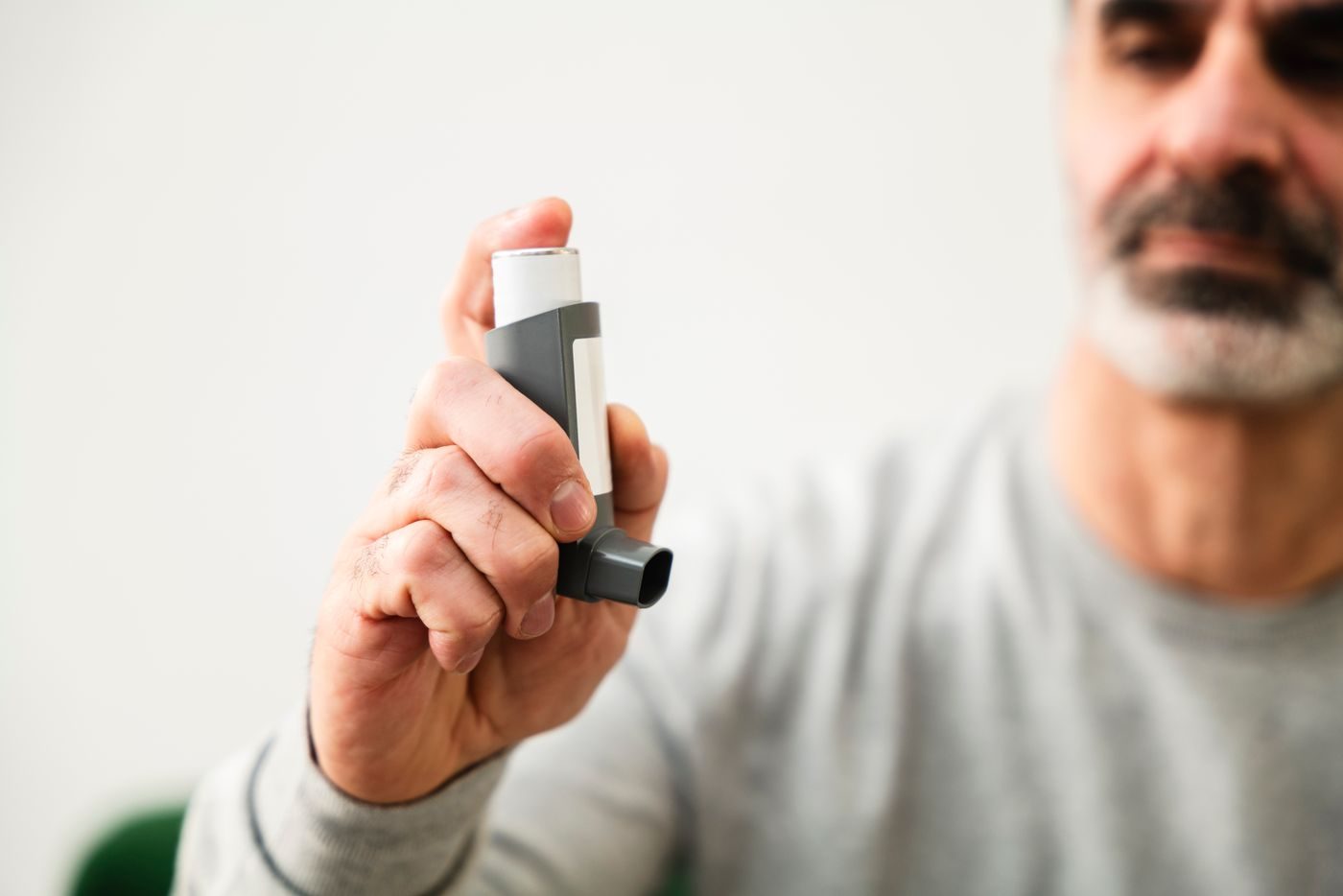
- Detailed inhaler technique training to ensure maximum medication effectiveness and symptom control
- Proactive exacerbation management with same-day access when breathing worsens to prevent hospitalizations
- Coordination of pulmonary rehabilitation, oxygen therapy, vaccinations, and smoking cessation support as needed
- Ongoing monitoring and treatment adjustments, with direct access to your provider
How We Treat Chronic Obstructive Pulmonary Disease (COPD)
Comprehensive Assessment
Your first visit includes detailed medical history, physical examination focusing on respiratory function, and spirometry testing to measure lung capacity and airflow. We review your symptom patterns, exposure history, smoking status, and how COPD affects your daily activities. This thorough evaluation establishes your COPD stage and creates a baseline for monitoring disease progression and treatment effectiveness.
Personalized Treatment Plan
Based on your assessment, we develop an individualized management strategy that may include bronchodilator medications, inhaled corticosteroids if needed, and action plans for exacerbation management. We coordinate pulmonary rehabilitation referrals when appropriate, provide smoking cessation support, recommend appropriate vaccinations, and establish clear guidelines for when to seek urgent care. Your plan adapts as your condition changes.
Ongoing Monitoring & Support
COPD requires continuous management with regular follow-ups to assess treatment effectiveness, monitor lung function changes, and adjust medications. We provide same-day access when symptoms worsen, direct messaging for questions about breathing changes, and proactive outreach during high-risk seasons. We track your progress, prevent hospitalizations through early intervention, and ensure you have the support needed to manage this chronic condition.
Benefits
Board-Certified Nurse Practitioner
Our care team is led by a board-certified family nurse practitioner with extensive experience managing chronic respiratory conditions. We stay current with the latest COPD treatment guidelines and research, understand the complexities of managing comorbid conditions common in COPD patients (heart disease, diabetes, osteoporosis), and coordinate care with pulmonologists when specialist input is needed while maintaining your primary oversight.
Truly Personalized COPD Management
COPD affects everyone differently, and your treatment plan should reflect your specific symptoms, disease stage, lifestyle, and goals. We schedule extended appointments without time pressure, which gives us the chance to thoroughly understand your breathing patterns, activity limitations and treatment preferences. We customize your medication regimen, provide detailed education on inhaler techniques, and adjust your plan based on your individual response rather than applying a one-size-fits-all approach.
Accessible Care When You Need It
COPD exacerbations can develop quickly and require prompt intervention to prevent hospitalization. Our practice offers same-day appointments when your breathing worsens, telehealth visits for medication adjustments or symptom assessment, and direct communication with your provider via phone or secure messaging. This accessibility is particularly important for COPD patients, as early treatment of exacerbations with oral steroids and antibiotics can prevent emergency room visits and maintain your quality of life.
Comprehensive Disease Education & Support
Understanding COPD empowers you to better manage your condition. We provide thorough education about your disease, teach proper inhaler and spacer techniques (improper technique reduces medication effectiveness by up to 70%), explain early warning signs of exacerbations, and help you create a written COPD action plan. We also address the emotional and psychological aspects of living with chronic lung disease, connecting you with appropriate support resources in the Cape Girardeau community when needed.
Your Treatment Journey
First Evaluation (Week 1)
Your initial visit includes a comprehensive review of your respiratory symptoms, smoking history, occupational exposures, and current limitations. We perform a physical examination, conduct spirometry testing to measure your lung function, and may order additional tests such as chest X-rays, oxygen saturation monitoring, or bloodwork. We'll discuss your current medications, assess your inhaler technique if you're already using inhalers, and begin developing your personalized COPD management plan. You'll leave with clear understanding of your diagnosis, initial prescriptions or medication adjustments, written instructions for managing your symptoms, and an action plan for recognizing and responding to worsening symptoms.
Treatment Begins (Weeks 2-4)
As you begin your medication regimen, we monitor your response closely, typically scheduling a follow-up within 2-4 weeks. This visit allows us to assess whether your bronchodilators are providing adequate symptom relief, evaluate any side effects, reinforce proper inhaler technique, and make medication adjustments if needed. Many patients notice improvement in breathing and exercise tolerance within the first few weeks, though it may take time to find the optimal medication combination. We'll discuss smoking cessation strategies if applicable, coordinate pulmonary rehabilitation referrals, ensure you've received appropriate vaccinations, and address any barriers to treatment adherence such as medication costs or difficulty using inhalers.
Progress Review (Months 2-3)
After your initial treatment period, we conduct a comprehensive reassessment including repeat spirometry to objectively measure any improvement in lung function, evaluation of symptom control using standardized questionnaires, review of your activity level and exercise tolerance, and assessment of exacerbation frequency. This data helps us determine if your current treatment plan is optimal or if adjustments are needed. For stable COPD patients, we may transition to less frequent monitoring, while those with more severe disease or frequent exacerbations require continued close follow-up. We'll refine your long-term management strategy based on your individual response and disease progression.
Long-term Management (Ongoing)
COPD is a chronic condition requiring lifelong management and periodic reassessment. Most stable patients need office visits every 3-6 months for spirometry monitoring, medication review, and preventive care. We remain accessible between visits for exacerbation management, medication questions, or changes in symptoms. Annual comprehensive evaluations include updating vaccinations, screening for common complications like osteoporosis and depression, reassessing oxygen needs, and adjusting treatment based on disease progression. Our goal is to maximize your lung function, minimize symptoms and exacerbations, maintain your independence and quality of life, and prevent avoidable hospitalizations through proactive management and early intervention when your condition changes.
Evidence-Based Treatment Approach
Our evidence-based approach to COPD treatment incorporates guidelines from the Global Initiative for Chronic Obstructive Lung Disease (GOLD). We primarily use bronchodilators, including short-acting beta-agonists (SABAs) like albuterol for quick relief and long-acting bronchodilators (LABAs and LAMAs) such as formoterol, salmeterol, or tiotropium for daily management. For patients with frequent exacerbations or significant inflammation, we may add inhaled corticosteroids like fluticasone or budesonide. We emphasize proper inhaler technique to ensure medication effectiveness and may prescribe combination inhalers when appropriate. Pulmonary rehabilitation, a structured program of exercise training, education, and behavioral modification, has been shown to significantly improve exercise capacity, reduce symptoms, and enhance quality of life. For patients with severe COPD and low oxygen levels, we coordinate supplemental oxygen therapy, which can prolong life and reduce complications. We also strongly advocate for annual influenza vaccines and pneumococcal vaccines to prevent respiratory infections that can trigger dangerous exacerbations. Nutritional counseling addresses the increased caloric needs from labored breathing and helps prevent muscle wasting. For those who continue to smoke, we provide comprehensive cessation support including counseling, nicotine replacement therapy, and medications like varenicline or bupropion, as quitting smoking is the single most important intervention to slow COPD progression. Our holistic approach recognizes that effective COPD management requires addressing not just lung function but also physical conditioning, mental health, nutrition, infection prevention, and lifestyle factors.
Understanding Your Symptoms
If you recognize these signs, help is available. Early treatment leads to better outcomes, slower disease progression, and improved quality of life for people living with COPD.
Common Questions About Chronic Obstructive Pulmonary Disease (COPD)
How long does COPD treatment take to show results?
Many patients notice some improvement in breathing and symptom relief within days to weeks of starting bronchodilator medications, particularly short-acting rescue inhalers that work within minutes. Long-acting medications typically show maximal benefit after 2-4 weeks of consistent use. However, it's important to understand that COPD is a progressive disease, treatment focuses on slowing decline, preventing exacerbations, and maximizing function rather than curing the condition. Pulmonary rehabilitation programs typically last 6-12 weeks and can produce significant improvements in exercise capacity and quality of life. Smoking cessation, the most important intervention, begins helping immediately as lung inflammation decreases within weeks, though lung function improvement may take months. The timeline varies based on your disease severity, medication adherence, participation in rehabilitation, and whether you continue to smoke or have ongoing exposure to lung irritants.
Will I definitely need to take medication for COPD?
For most people diagnosed with COPD, medication is an essential component of management. Bronchodilators help open airways, reduce breathlessness, and improve exercise tolerance, benefits that cannot be achieved through lifestyle changes alone once lung damage has occurred. The specific medications and intensity of treatment depend on your disease severity and symptoms. Patients with mild COPD may only need short-acting bronchodilators used as needed for symptom relief, while those with moderate to severe disease typically require daily long-acting medications. Some patients also need inhaled corticosteroids to reduce inflammation and prevent exacerbations. While smoking cessation, exercise, proper nutrition, and avoiding lung irritants are crucial, these lifestyle interventions complement rather than replace medication therapy. The goal of COPD medication is not just symptom relief but also prevention of exacerbations (acute worsening episodes) that can cause permanent lung damage and hasten disease progression.
Does insurance cover COPD treatment in Cape Girardeau?
Most insurance plans, including Medicare and Medicaid, cover COPD treatment as it's recognized as a serious chronic disease requiring ongoing medical management. Coverage typically includes office visits, spirometry testing, chest X-rays, and most COPD medications, though specific inhaler coverage varies by plan and may require prior authorization or step therapy. Medicare Part B covers pulmonary rehabilitation for COPD patients, and Medicare Part B also covers supplemental oxygen if you meet medical necessity criteria. Guardian Primary Care is in network with most major commercial insurances, Medicare and Medicaid, so most patients use their plan for COPD care. Guardian Direct Care is available as an alternative for patients who prefer transparent monthly pricing, and it works alongside coverage you keep for specialist referrals, hospitalizations, imaging, outside lab work and prescriptions. We'll work with you to maximize your benefits while providing the accessibility and continuity that ongoing COPD care requires.
What if my COPD treatment isn't working?
If you're not experiencing adequate symptom relief or continue to have frequent exacerbations despite treatment, several options exist. First, we'll verify that you're using your inhalers correctly: studies show up to 70% of patients don't use inhalers properly, which dramatically reduces medication effectiveness. We'll assess your adherence to the prescribed regimen and identify any barriers such as cost, side effects, or complexity. We may need to escalate therapy by adding long-acting bronchodilators, combination inhalers, or inhaled corticosteroids if not already prescribed. If you're still smoking, cessation becomes the priority as continued smoking makes all medications less effective. For patients not responding to standard therapy, we can coordinate referral to a pulmonologist for additional testing (such as CT scans or exercise testing), consideration of newer medications or delivery systems, evaluation for supplemental oxygen, or assessment for pulmonary rehabilitation. Some patients with very severe COPD may be candidates for interventional procedures like lung volume reduction or even lung transplantation, though these are reserved for specific cases. The key is ongoing communication: if your treatment isn't meeting your goals, contact us so we can adjust your plan rather than suffering with inadequate symptom control.
Can telehealth work for COPD treatment?
Telehealth can be very effective for many aspects of COPD management, though some in-person visits remain necessary. Virtual visits work well for medication adjustments when you're stable, reviewing inhaler technique via video demonstration, assessing symptoms during possible exacerbations, providing smoking cessation counseling, reviewing home pulse oximetry readings, and follow-up discussions about treatment plans. Many routine COPD follow-up visits can be conducted via telehealth, which is particularly beneficial for patients with mobility limitations or those who find it exhausting to travel when short of breath. However, initial diagnosis requires in-person spirometry testing, physical examination, and potentially chest X-rays. Similarly, significant worsening of symptoms, need for oxygen saturation measurement, concerning physical findings, or evaluation of new complications require in-person assessment. Our hybrid approach combines the convenience of telehealth with the thoroughness of in-person care when needed, and we make it easy to schedule either type of visit based on your clinical needs at any given time.
Can COPD get better, or will it always get worse?
COPD is characterized by irreversible airflow limitation, meaning the structural lung damage cannot be reversed. However, this doesn't mean hopelessness. With appropriate treatment, disease progression can be significantly slowed, symptoms can be well-controlled, and quality of life can be maintained or even improved. The most important factor determining COPD progression is smoking cessation: quitting smoking can slow lung function decline to near-normal rates and is the only intervention proven to affect long-term outcome. Patients who stop smoking, adhere to their medications, participate in pulmonary rehabilitation, maintain physical activity, avoid respiratory infections through vaccination, and receive proper management of exacerbations can live active, fulfilling lives for many years. While spirometry numbers may show gradual decline over years, functional capacity and symptom control can remain stable with good management. Some patients do experience periods of apparent stability where their condition doesn't noticeably worsen. The key is that "progressive" doesn't mean rapid or uncontrollable decline: with proper treatment and lifestyle modification, many COPD patients maintain good function well into older age. The earlier COPD is diagnosed and treatment begins, the better the long-term outlook.
Related Conditions
Related
Asthma
Chronic inflammatory airway disease causing wheezing, shortness of breath, and respiratory difficulty requiring ongoing management.
Related
Hypertension
High blood pressure that often coexists with COPD and requires careful management to prevent cardiovascular complications.
Related
Diabetes
Common comorbidity in COPD patients, particularly when corticosteroids are part of treatment regimen, requiring coordinated care.
Get Help for Chronic Obstructive Pulmonary Disease (COPD) Today
You don't have to face Chronic Obstructive Pulmonary Disease (COPD) alone. Our team is ready to help you breathe easier and improve your quality of life.
Schedule an Appointment