Asthma and Respiratory Conditions Treatment in Cape Girardeau
Breathing shouldn't be a struggle. At Guardian Primary Care, we provide comprehensive diagnosis, treatment, and management for asthma and respiratory conditions, helping you breathe easier and live more fully. Our evidence-based approach combines advanced diagnostics with personalized care plans tailored to your unique respiratory needs.
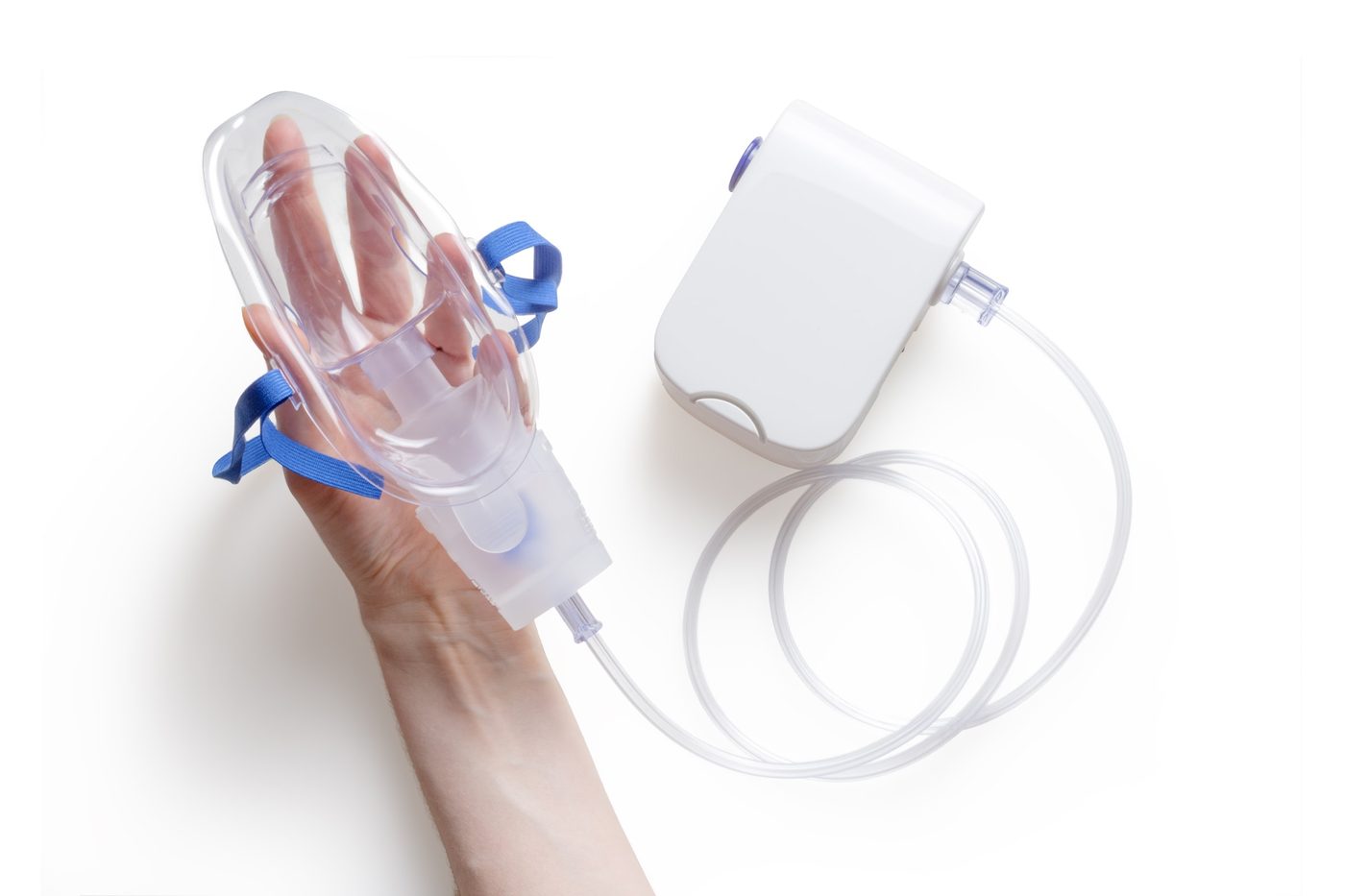
Understanding Asthma and Respiratory Conditions
Asthma and respiratory conditions represent a diverse group of disorders affecting the airways and lungs, impacting millions of Americans every day. Asthma alone affects approximately 25 million people in the United States, including both children and adults. These conditions can range from mild intermittent symptoms to severe, life-limiting disease that significantly impacts daily activities, sleep quality, exercise capacity, and overall quality of life. Respiratory conditions encompass asthma, chronic obstructive pulmonary disease (COPD), chronic bronchitis, allergic rhinitis, exercise-induced bronchoconstriction, occupational lung diseases, and other airways disorders. When left untreated or poorly managed, these conditions can lead to emergency room visits, hospitalizations, missed work or school days, and progressive decline in lung function. The good news is that with proper diagnosis, treatment, and ongoing management, most people with respiratory conditions can achieve excellent symptom control and maintain active, fulfilling lives.
The causes and risk factors for asthma and respiratory conditions are multifaceted and often involve a combination of genetic predisposition and environmental triggers. Asthma typically develops due to airway inflammation and hyperreactivity, often triggered by allergens such as pollen, dust mites, pet dander, or mold, as well as non-allergic factors including cold air, exercise, respiratory infections, air pollution, tobacco smoke, strong odors, and emotional stress. COPD is most commonly caused by long-term exposure to cigarette smoke, though occupational exposures, air pollution, and genetic factors like alpha-1 antitrypsin deficiency can also contribute. Family history plays a significant role, as individuals with parents or siblings who have asthma are more likely to develop the condition themselves. Other risk factors include childhood respiratory infections, premature birth, exposure to secondhand smoke during childhood, obesity, gastroesophageal reflux disease (GERD), and certain occupational exposures to chemicals, dusts, or fumes. In Cape Girardeau and throughout Missouri, seasonal allergies from oak, pine, and ragweed pollen can be particularly problematic triggers for many respiratory patients.
Professional medical treatment for asthma and respiratory conditions is essential for several critical reasons. First, accurate diagnosis requires specialized testing including spirometry, peak flow measurements, chest X-rays, and sometimes more advanced pulmonary function tests or allergy testing to differentiate between various respiratory conditions and identify specific triggers. Self-diagnosis and self-treatment can lead to inappropriate medication use, delayed proper treatment, and progressive lung damage. Second, modern respiratory medicine offers highly effective controller and rescue medications that, when properly prescribed and monitored, can prevent symptoms, reduce inflammation, prevent exacerbations, and preserve lung function over time. Third, comprehensive respiratory care involves more than just medication: it includes trigger identification and avoidance strategies, proper inhaler technique instruction, development of a personalized asthma action plan, vaccination recommendations, breathing exercises, and lifestyle modifications that collectively optimize outcomes. Finally, ongoing monitoring is crucial to adjust treatment as your condition evolves, catch complications early, and ensure you're using the most effective medication regimen at the lowest necessary doses. At Guardian Primary Care in Cape Girardeau, we provide this comprehensive, evidence-based approach to respiratory care, partnering with you for long-term respiratory health and optimal quality of life.
Signs & Symptoms of Asthma and Respiratory Conditions
- Wheezing: High-pitched whistling sound when breathing, especially during exhalation, indicating narrowed airways.
- Shortness of Breath: Difficulty breathing or feeling like you can't get enough air, especially during physical activity or at night.
- Chest Tightness: Feeling of pressure, constriction, or heaviness in the chest that may worsen with exertion or trigger exposure.
- Chronic Cough: Persistent cough that may be dry or produce mucus, often worse at night or early morning, or after exercise.
- Increased Mucus Production: Excessive phlegm or sputum production, which may be clear, white, yellow, or green depending on the condition.
- Rapid Breathing: Increased respiratory rate as your body attempts to compensate for reduced oxygen intake or airway obstruction.
- Difficulty Completing Sentences: Needing to pause for breath while speaking, indicating significant respiratory compromise requiring medical attention.
- Sleep Disruption: Nighttime coughing, wheezing, or shortness of breath that interrupts sleep and leads to daytime fatigue.
- Exercise Intolerance: Inability to participate in physical activities without experiencing breathing difficulty, limiting recreational and daily activities.
- Frequent Respiratory Infections: Increased susceptibility to colds, bronchitis, and pneumonia, with longer recovery times and more severe symptoms.
- Missed Work or School: Frequent absences due to symptoms or exacerbations, impacting productivity, academic performance, and career advancement.
- Anxiety About Breathing: Constant worry about having an asthma attack or breathing difficulty, leading to avoidance of activities and social isolation.
- Emergency Room Visits: Severe exacerbations requiring urgent medical care, indicating poorly controlled disease that needs treatment adjustment.
- Reduced Quality of Life: Overall diminished well-being, limited participation in social activities, and feeling controlled by your respiratory condition.
What to Expect
- Comprehensive respiratory assessment including medical history, physical examination, and diagnostic spirometry testing to measure lung function
- Personalized treatment plans with appropriate controller and rescue medications tailored to your specific condition and triggers
- Proper inhaler technique instruction and written asthma action plans for managing symptoms and recognizing when to seek help
- Regular follow-up monitoring to assess symptom control, adjust medications, and track lung function over time
- Trigger identification and avoidance strategies, lifestyle modifications, and preventive care including vaccinations
- Convenient telehealth options for follow-up visits and medication adjustments with strategic in-person visits for testing
How We Treat Asthma and Respiratory Conditions
Comprehensive Assessment
Your treatment begins with a thorough evaluation including detailed medical history, physical examination focusing on respiratory function, and diagnostic testing such as spirometry to measure lung function and capacity. We identify your specific triggers, assess symptom severity and frequency, review any previous treatments, and evaluate how your condition impacts your daily activities. This comprehensive assessment allows us to accurately diagnose your specific respiratory condition and understand all factors contributing to your symptoms.
Personalized Treatment Plan
Based on your assessment, we develop an individualized treatment plan tailored to your specific condition, severity, triggers, and lifestyle. Your plan includes appropriate medications (controller and rescue inhalers, biologics if needed), detailed trigger avoidance strategies, an asthma action plan for managing worsening symptoms, and lifestyle modifications to optimize respiratory health. We ensure you understand proper inhaler technique, know when to use each medication, and have clear guidelines for recognizing and responding to worsening symptoms.
Ongoing Management & Monitoring
Respiratory conditions require continuous monitoring and adjustment to maintain optimal control. We schedule regular follow-up appointments to assess symptom control, review peak flow or symptom diaries, perform periodic spirometry to track lung function, and adjust medications as needed based on your response. We monitor for medication side effects, provide updated action plans as your condition evolves, and offer education about new triggers or management strategies. Our goal is sustained, long-term control that allows you to live without limitations.
Benefits
Board-Certified Nurse Practitioner
Our care team is led by a board-certified family nurse practitioner with extensive experience diagnosing and managing asthma, COPD, and other respiratory conditions. We stay current with the latest research, treatment guidelines, and emerging therapies to provide you with the most effective, evidence-based care available.
Personalized, Patient-Centered Care
We recognize that every patient's respiratory condition is unique, influenced by individual triggers, lifestyle factors, and treatment goals. We take time to understand your specific situation, listen to your concerns, involve you in treatment decisions, and develop a care plan that fits seamlessly into your life rather than disrupting it.
Telehealth & Flexible Access
We offer convenient telehealth appointments for follow-up visits, medication adjustments, and symptom management consultations, making it easier to maintain consistent care even when you're experiencing breathing difficulties or prefer to avoid in-person visits during respiratory infection season. Our flexible scheduling ensures timely access when you need it most.
Comprehensive Respiratory Management
We provide complete respiratory care under one roof, including in-office spirometry for accurate lung function testing, allergy evaluation and management, smoking cessation support, coordination with pulmonary specialists when needed, and management of related conditions like allergies, GERD, and sleep apnea that can impact respiratory health.
Your Treatment Journey
First Evaluation (Week 1)
Your initial visit includes a comprehensive medical history review focusing on symptom patterns, triggers, previous treatments, and family history. We perform a physical examination, baseline spirometry testing to measure lung function, and review any previous test results or imaging. You'll receive a preliminary diagnosis, initial treatment recommendations, proper inhaler technique instruction, and a written action plan. This first visit typically lasts 45-60 minutes to ensure we thoroughly understand your respiratory health.
Treatment Begins (Weeks 2-4)
You'll start your prescribed medications and begin implementing trigger avoidance strategies and lifestyle modifications. Many patients notice symptom improvement within the first week of starting controller medications, though full benefits typically take 2-4 weeks to develop. We may schedule a brief follow-up at 2-3 weeks to ensure proper medication technique, assess early response, and address any questions or concerns. Keep a symptom diary or use peak flow monitoring as directed to track your progress.
Progress Review (Months 2-3)
At your follow-up appointment, we reassess your symptoms, review your symptom diary or peak flow data, repeat spirometry to objectively measure improvement, and evaluate medication effectiveness and side effects. Based on your response, we may adjust medications, step up treatment if control is inadequate, or step down therapy if you've achieved excellent sustained control. We refine your action plan and trigger avoidance strategies based on your real-world experience during the initial treatment period.
Long-term Management (Ongoing)
Once your condition is well-controlled, we transition to maintenance care with follow-up visits every 3-6 months, or more frequently if needed. Long-term management focuses on maintaining optimal control, preventing exacerbations, monitoring lung function over time, and adjusting treatment as your condition evolves with seasons, lifestyle changes, or age. Most patients achieve excellent control that allows unrestricted activity, minimal symptoms, and rare rescue inhaler use. Our goal is for you to live without daily awareness of your respiratory condition while maintaining long-term lung health.
Evidence-Based Treatment Modalities
Our evidence-based treatment approach incorporates the latest clinical guidelines and proven therapies for respiratory conditions. For asthma management, we utilize inhaled corticosteroids as first-line controller therapy to reduce airway inflammation, long-acting beta-agonists for additional bronchodilation when needed, and short-acting beta-agonists as rescue medications for acute symptoms. For patients with moderate to severe allergic asthma, we may recommend biologic therapies such as omalizumab, mepolizumab, or dupilumab, which target specific inflammatory pathways and can dramatically improve control in patients who don't respond adequately to standard inhalers.
For COPD and chronic bronchitis, treatment focuses on long-acting bronchodilators (both anticholinergics and beta-agonists), inhaled corticosteroids for patients with frequent exacerbations, pulmonary rehabilitation to improve exercise capacity and quality of life, smoking cessation support, supplemental oxygen when indicated, and vaccinations against influenza and pneumococcus to prevent respiratory infections. We also emphasize trigger identification and avoidance, proper nutrition to maintain respiratory muscle strength, breathing exercises and techniques to improve efficiency, and early intervention at the first sign of exacerbations to prevent hospitalization. Throughout your care, we maintain open communication, encourage questions, and adjust your treatment plan based on your evolving needs and treatment goals.
Realistic Treatment Expectations
Realistic Expectations: While asthma and most respiratory conditions cannot be "cured," they can almost always be effectively controlled with proper treatment. Most patients achieve significant improvement within 2-4 weeks, with full benefits developing over 2-3 months. The key to long-term success is consistent medication use (even when feeling well), regular monitoring, prompt treatment of worsening symptoms, and ongoing communication with your healthcare team.
Symptoms Impact on Daily Life
If you recognize these signs, help is available. Early treatment leads to better outcomes, improved symptom control, and the ability to live an active, unrestricted life. Don't let respiratory conditions hold you back from the activities and experiences you love.
Common Questions About Asthma and Respiratory Conditions
How long does treatment take before I notice improvement?
Most patients notice some improvement within the first week of starting controller medications, with significant symptom reduction typically occurring within 2-4 weeks. However, full benefits of inhaled corticosteroids and other anti-inflammatory treatments may take 2-3 months to fully develop as airway inflammation gradually resolves. Rescue inhalers work within minutes for acute symptoms. If you're not experiencing meaningful improvement within 2-3 weeks, contact us so we can reassess your treatment plan and consider adjustments or alternative therapies.
Will I need to take medication long-term?
For most patients with asthma or chronic respiratory conditions, long-term controller medications are necessary to maintain good symptom control and prevent airway remodeling. However, medication needs can change over time. Some patients, particularly children with mild asthma, may outgrow their condition. Others achieve such excellent control that we can step down therapy to lower doses or less frequent dosing. The key is consistent use of controller medications as prescribed: stopping them when you feel better often leads to return of symptoms and increased risk of severe exacerbations. We regularly reassess whether your current regimen is the minimum effective therapy for your condition.
Does insurance cover asthma and respiratory treatment?
Yes, most insurance plans cover evaluation and treatment of asthma and respiratory conditions as medically necessary care. This typically includes office visits, spirometry testing, and prescription medications. However, coverage specifics vary by plan, particularly for newer biologic therapies which may require prior authorization. We'll work with your insurance company to obtain necessary approvals and help you understand your coverage and out-of-pocket costs. Many generic respiratory medications are available at reasonable costs, and pharmaceutical patient assistance programs exist for expensive brand-name medications when needed.
Can telehealth work for respiratory condition management?
Telehealth is excellent for many aspects of respiratory care, including follow-up visits to review symptom control, medication adjustments based on your reported symptoms and peak flow readings, review of proper inhaler technique via video, action plan updates, and management of mild exacerbations. However, initial evaluations typically require an in-person visit for physical examination and baseline spirometry testing. We also recommend periodic in-person visits for objective lung function testing. Severe exacerbations with significant breathing difficulty require in-person or emergency evaluation. Our hybrid approach combines convenient telehealth follow-ups with strategic in-person visits for optimal care.
What if my current treatment isn't working?
If your current treatment isn't providing adequate symptom control, several options exist. First, we'll verify that you're using medications correctly: improper inhaler technique is a common cause of treatment failure. We'll also review trigger avoidance and assess whether you're experiencing new exposures. If technique and adherence are good, we can step up therapy by increasing medication doses, adding additional controller medications, or considering biologic therapies for severe allergic or eosinophilic asthma. We may also refer you to a pulmonologist for specialized evaluation if you have difficult-to-control disease. The key is communication: contact us if you're using your rescue inhaler more than twice weekly or experiencing any worsening of symptoms.
Can I exercise and live normally with asthma?
Absolutely! With proper treatment and management, most people with asthma can exercise fully and live without restrictions. Many elite athletes have asthma and compete at the highest levels. Exercise-induced symptoms can typically be prevented with proper warm-up, pre-exercise use of rescue inhalers if needed, and optimal control of baseline inflammation with controller medications. In fact, regular exercise improves overall respiratory fitness and is encouraged for most patients with respiratory conditions. If exercise consistently triggers symptoms despite these measures, it may indicate your baseline asthma control needs improvement. Our goal is for your respiratory condition to never limit your activities, hobbies, career, or lifestyle choices.
Related Conditions
Related
Allergies & Sinus Problems
Comprehensive allergy evaluation and management for seasonal and environmental allergies that often coexist with respiratory conditions.
Related
COPD
Ongoing care for COPD, emphysema and other long-term respiratory diseases requiring continuous management.
Related
Acute Illness Care
Prompt evaluation of colds, flu and COVID-19, the infections that most often trigger a respiratory flare.
Get Help for Asthma and Respiratory Conditions Today
You don't have to face asthma and respiratory conditions alone. Our team is ready to help you breathe easier and live better.
Schedule an Appointment