
Anemia Treatment in Cape Girardeau
Anemia affects millions of Americans, causing fatigue, weakness, and reduced quality of life. At Guardian Primary Care, we provide comprehensive diagnostic testing and evidence-based treatment plans tailored to identify the root cause of your anemia and restore your energy and vitality.
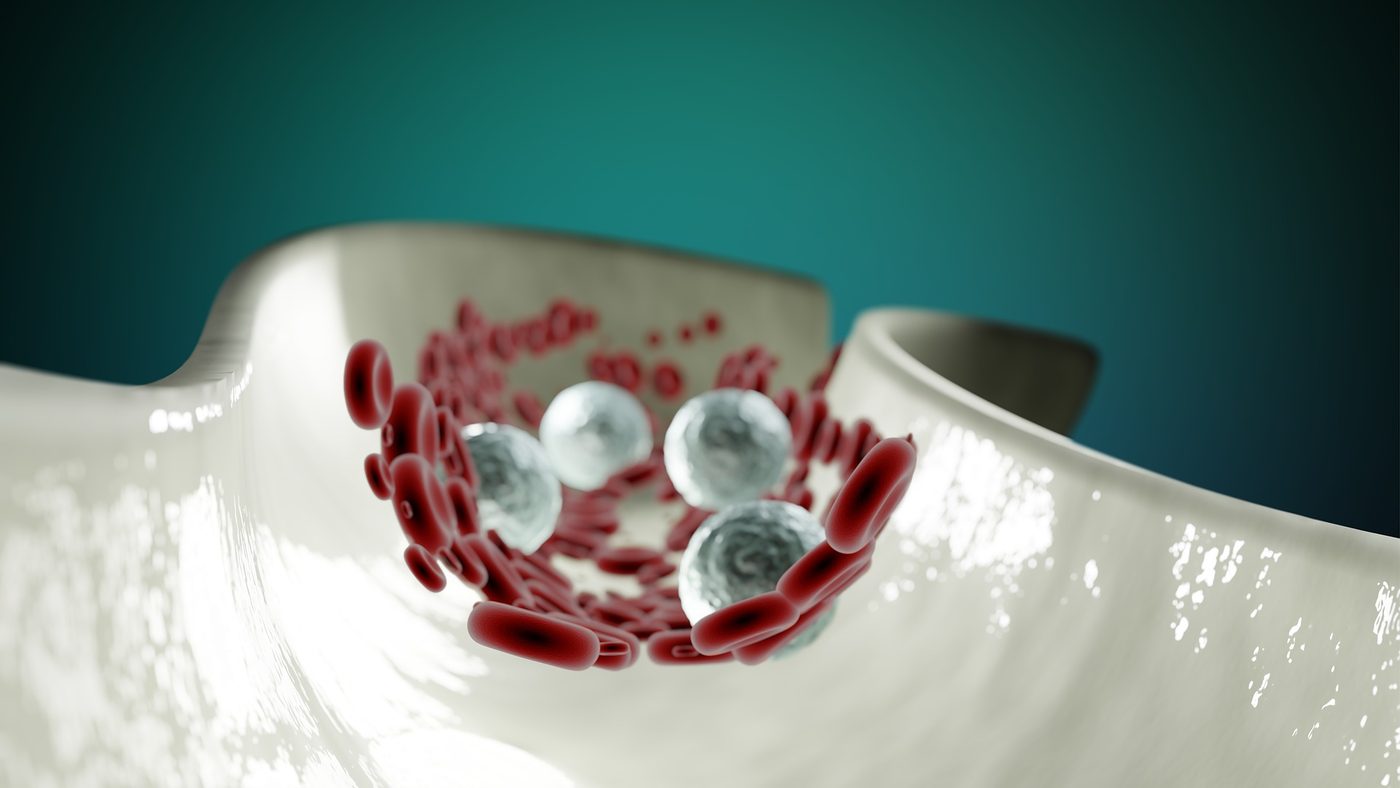
Understanding Anemia
Anemia is a condition characterized by a deficiency of red blood cells or hemoglobin in the blood, resulting in reduced oxygen delivery to your body's tissues and organs. This common blood disorder affects more than 3 million Americans and can range from mild and temporary to severe and chronic. When your body doesn't have enough healthy red blood cells, you may experience persistent fatigue, weakness, shortness of breath, and difficulty concentrating, symptoms that can significantly impact your ability to work, exercise, and enjoy daily activities. Anemia isn't a single disease but rather a sign that an underlying condition needs to be identified and addressed.
The causes of anemia are diverse and include nutritional deficiencies (particularly iron, vitamin B12, and folate), chronic diseases (such as kidney disease, cancer, and autoimmune disorders), genetic conditions (including sickle cell disease and thalassemia), acute or chronic blood loss, and bone marrow disorders. Women are at higher risk due to menstruation and pregnancy, while older adults face increased risk from chronic diseases and nutritional absorption issues. Certain medications, gastrointestinal conditions that impair nutrient absorption, and inflammatory diseases can also contribute to anemia development. Risk factors include poor diet, intestinal disorders, chronic infections, family history of inherited anemias, and recent surgery or trauma with blood loss.
Professional medical evaluation is essential for anemia because effective treatment requires identifying the specific type and underlying cause. Self-treating with over-the-counter iron supplements without proper diagnosis can be ineffective or even harmful: some types of anemia don't respond to iron, and excessive iron intake can cause serious complications. Our comprehensive approach includes detailed blood work to determine your hemoglobin levels, red blood cell size and shape, iron studies, vitamin levels, and other markers that reveal the type of anemia you have. Once diagnosed, we create a targeted treatment plan that addresses the root cause, whether that involves nutritional supplementation, medication adjustments, treatment of underlying conditions, or specialist referral when needed. With proper diagnosis and treatment, most people with anemia experience significant improvement in energy levels and quality of life.
Signs & Symptoms of Anemia
- Persistent Fatigue - Overwhelming tiredness that doesn't improve with rest, making it difficult to complete normal daily activities and maintain your usual routine.
- Weakness and Dizziness - Feeling physically weak, lightheaded, or dizzy, especially when standing up quickly or during physical exertion.
- Shortness of Breath - Difficulty breathing or feeling winded during activities that previously didn't cause breathlessness, even climbing stairs or walking short distances.
- Pale Skin and Nail Beds - Noticeably paler complexion, pale or whitish nail beds, and loss of healthy color in the lower eyelids and mucous membranes.
- Rapid or Irregular Heartbeat - Heart palpitations, racing heart, or irregular heartbeat as your heart works harder to pump oxygen-depleted blood throughout your body.
- Cold Hands and Feet - Persistent coldness in extremities due to poor circulation and reduced oxygen delivery to peripheral tissues.
- Chest Pain - Discomfort or pain in the chest, particularly during physical activity, as the heart struggles to meet the body's oxygen demands.
- Difficulty Concentrating - Trouble focusing, brain fog, and reduced mental clarity due to insufficient oxygen reaching the brain.
- Headaches - Frequent or persistent headaches, particularly in the front of the head, caused by inadequate oxygen supply to brain tissues.
- Brittle Nails - Nails that crack, break easily, or develop a spoon-shaped appearance (koilonychia), particularly common in iron deficiency anemia.
- Unusual Cravings - Craving and chewing ice, or desire to eat non-food items like dirt or starch (pica), a distinctive sign of iron deficiency.
- Sore or Swollen Tongue - Tongue inflammation, soreness, or unusual smoothness and paleness, often associated with vitamin B12 or folate deficiency.
- Restless Leg Syndrome - Uncomfortable sensations in the legs and an irresistible urge to move them, especially at night, commonly linked to iron deficiency.
- Frequent Infections - Increased susceptibility to infections due to compromised immune function associated with certain types of anemia.
What to Expect
- Comprehensive blood work including CBC, iron studies, vitamin B12, and folate levels to identify the specific type and cause of your anemia
- Personalized treatment plans targeting the root cause, whether nutritional deficiency, chronic disease, blood loss, or absorption issues
- Multiple treatment options including oral supplements, IV iron infusions, B12 injections, and dietary counseling based on your diagnosis
- Regular monitoring with follow-up blood work at 4-8 week intervals to track progress and adjust treatment as needed
- Coordination with specialists when needed for complex cases or underlying conditions requiring additional expertise
- Telehealth follow-up appointments available after initial in-person evaluation and lab work for convenient ongoing care
How We Treat Anemia
Comprehensive Assessment
We begin with a thorough medical history, physical examination, and comprehensive blood work including complete blood count (CBC), iron studies, vitamin B12 and folate levels, and additional tests as needed. This diagnostic workup identifies the specific type of anemia and underlying causes. We review your diet, medications, medical conditions, and family history to understand contributing factors and create an accurate diagnosis.
Personalized Treatment Plan
Based on your specific diagnosis, we develop a targeted treatment strategy that addresses the root cause. Your plan may include nutritional supplementation, dietary modifications, medication adjustments, or treatment of underlying conditions. We provide clear instructions, dosing schedules, and education about what to expect. Plans are individualized based on the severity of your anemia, underlying causes, and your overall health status.
Ongoing Monitoring & Support
Anemia treatment requires careful monitoring to ensure effectiveness and adjust interventions as needed. We schedule follow-up blood work to track your hemoglobin levels and response to treatment, typically at 4-8 week intervals initially. Regular check-ins allow us to modify supplementation doses, address side effects, and ensure steady improvement. We continue care until your levels normalize and then establish a maintenance plan to prevent recurrence.
Benefits
Board-Certified Nurse Practitioner
Our care team is led by a board-certified nurse practitioner who evaluates and treats the common causes of anemia, and refers on when a blood disorder needs specialist input.
Personalized Care Approach
We understand that every patient's anemia has unique causes and requires individualized treatment. We take time to understand your health history, lifestyle, and goals to create the most effective plan.
Telehealth Available
Many anemia follow-up appointments can be conducted virtually, allowing you to discuss results, adjust treatment, and ask questions from the comfort of your home after initial lab work is completed.
Specialized Experience
Our Cape Girardeau practice has extensive experience diagnosing and treating iron deficiency, vitamin B12 deficiency, folate deficiency, anemia of chronic disease, and other common types affecting our community.
Your Treatment Journey
First Evaluation (Week 1)
Your initial appointment includes a comprehensive medical history, physical examination, and blood work orders. We discuss your symptoms, dietary habits, medical conditions, medications, and family history. Lab tests typically include CBC with differential, reticulocyte count, iron panel (serum iron, ferritin, TIBC, transferrin saturation), vitamin B12, folate, and potentially additional tests based on your presentation. Results are usually available within 2-3 days, after which we schedule a follow-up to discuss findings and initiate treatment.
Treatment Begins (Weeks 2-4)
Once we identify the type and cause of your anemia, we start targeted treatment. Most patients begin oral supplementation with iron, B12, or folate, along with dietary recommendations. We provide detailed instructions on timing (iron is best absorbed on an empty stomach), what to take supplements with (vitamin C enhances iron absorption), and what to avoid (calcium, antacids, coffee, and tea can interfere). Some patients notice improvement in energy within 1-2 weeks, though hemoglobin levels take longer to rise. We address any side effects like constipation or nausea and adjust formulations if needed.
Progress Review (Months 2-3)
Follow-up blood work at 4-8 weeks shows how well treatment is working. We expect to see rising hemoglobin and improving iron stores or vitamin levels. If progress is adequate, we continue the current plan; if not, we investigate why (poor absorption, ongoing blood loss, incorrect diagnosis, non-adherence) and adjust treatment accordingly. This may involve switching to intravenous iron, higher doses, different supplement formulations, or additional testing. Most patients with nutritional deficiency anemia show significant improvement by 2-3 months with appropriate treatment.
Long-term Management
Once your levels normalize, we develop a maintenance plan to prevent recurrence. This may include continued lower-dose supplementation, periodic blood work monitoring (every 6-12 months), dietary counseling, and addressing underlying causes like heavy menstrual bleeding or absorption disorders. Some patients require lifelong supplementation (such as those with B12 malabsorption or chronic kidney disease), while others can maintain levels through diet alone after stores are replenished. We remain available for ongoing support and adjust your plan as your health needs change.
Evidence-Based Treatment Modalities
Our evidence-based treatments vary by anemia type and may include oral iron supplementation (ferrous sulfate, ferrous gluconate, or polysaccharide iron complex), vitamin B12 injections or high-dose oral supplements, folic acid supplementation, treatment of underlying gastrointestinal conditions affecting absorption, medication adjustments for drug-induced anemias, erythropoiesis-stimulating agents for certain chronic disease-related anemias, and intravenous iron infusions for severe deficiency or malabsorption issues. For anemia caused by chronic conditions, we coordinate care with specialists and treat the underlying disease. Dietary counseling helps optimize iron-rich foods (red meat, poultry, fish, legumes, dark leafy greens) and vitamin C intake to enhance iron absorption. We also address factors that inhibit absorption, such as calcium supplements or certain medications taken at the wrong times.
When to Seek Care
If you recognize these signs, help is available. Early treatment leads to better outcomes. Our Cape Girardeau team can perform comprehensive testing to identify the type and cause of your anemia and create an effective treatment plan.
Common Questions About Anemia
How long does anemia treatment take to work?
The timeline varies depending on the type and severity of anemia and the underlying cause. Many patients notice improved energy levels within 1-2 weeks of starting iron or vitamin supplementation, but hemoglobin levels typically take 4-8 weeks to show significant improvement on blood tests. Full replenishment of iron stores may require 3-6 months of treatment. Vitamin B12 deficiency often responds more quickly, especially when treated with injections, with symptom improvement sometimes noted within days to weeks. Anemia caused by chronic disease may take longer and requires treating the underlying condition. We monitor your progress with periodic blood work and adjust treatment to ensure steady improvement toward normal levels.
Is medication always required for anemia?
Treatment depends entirely on the cause and severity of your anemia. Mild nutritional deficiencies may sometimes be corrected through dietary changes alone, particularly if caught early and absorption is normal. However, most cases require supplementation with iron, vitamin B12, or folic acid because it's difficult to consume enough through diet to correct established deficiency. Moderate to severe anemia almost always requires supplementation, and some cases need intravenous iron or B12 injections. Anemia caused by chronic diseases, blood loss, or bone marrow disorders may require additional medications or treatments beyond simple supplementation. We create the most appropriate plan based on your specific diagnosis, severity, and ability to absorb nutrients.
Does insurance cover anemia treatment?
Most insurance plans cover the diagnosis and treatment of anemia as it is a recognized medical condition. Office visits, laboratory testing (CBC, iron studies, B12 levels), and follow-up care are typically covered under standard medical insurance, subject to your deductible and copay. Prescription supplements (high-dose iron or B12) may be covered under your pharmacy benefits, though over-the-counter supplements are generally not covered. Intravenous iron infusions and B12 injections are usually covered when medically indicated. Guardian Primary Care is in network with most major commercial insurances, Medicare and Medicaid, and Guardian Direct Care is available as an alternative with transparent monthly pricing that includes office visits and care coordination. We help coordinate any specialist referrals or procedures your plan covers.
What if treatment isn't working?
If your hemoglobin levels aren't improving after 8-12 weeks of appropriate treatment, we investigate the reasons. Common causes include ongoing blood loss (from heavy periods, gastrointestinal bleeding, or other sources), malabsorption (from celiac disease, inflammatory bowel disease, or gastric surgery), incorrect diagnosis (the anemia may be due to a different cause than initially suspected), medication interactions, or non-adherence to the supplement regimen. We may perform additional testing including stool tests for occult blood, endoscopy to evaluate the GI tract, celiac screening, or bone marrow studies in complex cases. Treatment adjustments may include switching to intravenous iron if absorption is poor, increasing doses, changing supplement formulations, addressing newly identified underlying conditions, or referring to a hematologist for specialized evaluation of complex or refractory cases.
Can anemia be treated through telehealth?
Telehealth works well for many aspects of anemia management after initial evaluation. Your first visit typically requires an in-person examination and blood draw, which we can arrange at a convenient lab facility. Once we have results and establish your diagnosis, follow-up appointments can often be conducted virtually to discuss treatment plans, review subsequent lab results, address side effects, and adjust dosing. We can send prescriptions electronically and order follow-up blood work at labs near your home or workplace. Telehealth is particularly convenient for straightforward cases of nutritional deficiency anemia where treatment response is as expected. However, if you develop new symptoms, aren't responding to treatment, or need physical examination or procedures like IV iron infusions, in-person visits are necessary.
What's the difference between iron deficiency and other types of anemia?
Iron deficiency anemia is the most common type and occurs when your body lacks enough iron to produce hemoglobin, typically due to blood loss, poor dietary intake, or absorption problems. Other types include vitamin B12 deficiency anemia (often from malabsorption or dietary insufficiency), folate deficiency anemia (from poor diet or increased needs during pregnancy), anemia of chronic disease (related to inflammation from conditions like kidney disease, cancer, or autoimmune disorders), hemolytic anemia (where red blood cells are destroyed too quickly), and aplastic anemia (where bone marrow doesn't produce enough blood cells). Each type has distinct causes, diagnostic markers, and treatment approaches. This is why comprehensive testing is essential: taking iron supplements won't help if your anemia is due to B12 deficiency or chronic disease, and may even cause harm if you have certain conditions. We identify the specific type through careful blood work analysis to ensure you receive the right treatment.
Related Conditions
Related
Vitamin Deficiencies
Testing and treatment for vitamin D, B12, folate, and other nutritional deficiencies impacting your health and energy.
Related
Thyroid Disorders
Diagnosis and management of hypothyroidism, hyperthyroidism, and other thyroid conditions affecting your energy and metabolism.
Related
Women's Health
Heavy periods are a leading cause of iron deficiency anemia, and we evaluate and treat both.
Get Help for Anemia Today
You don't have to face anemia alone. Our Cape Girardeau team is ready to help you identify the cause and restore your energy.
Schedule an Appointment