
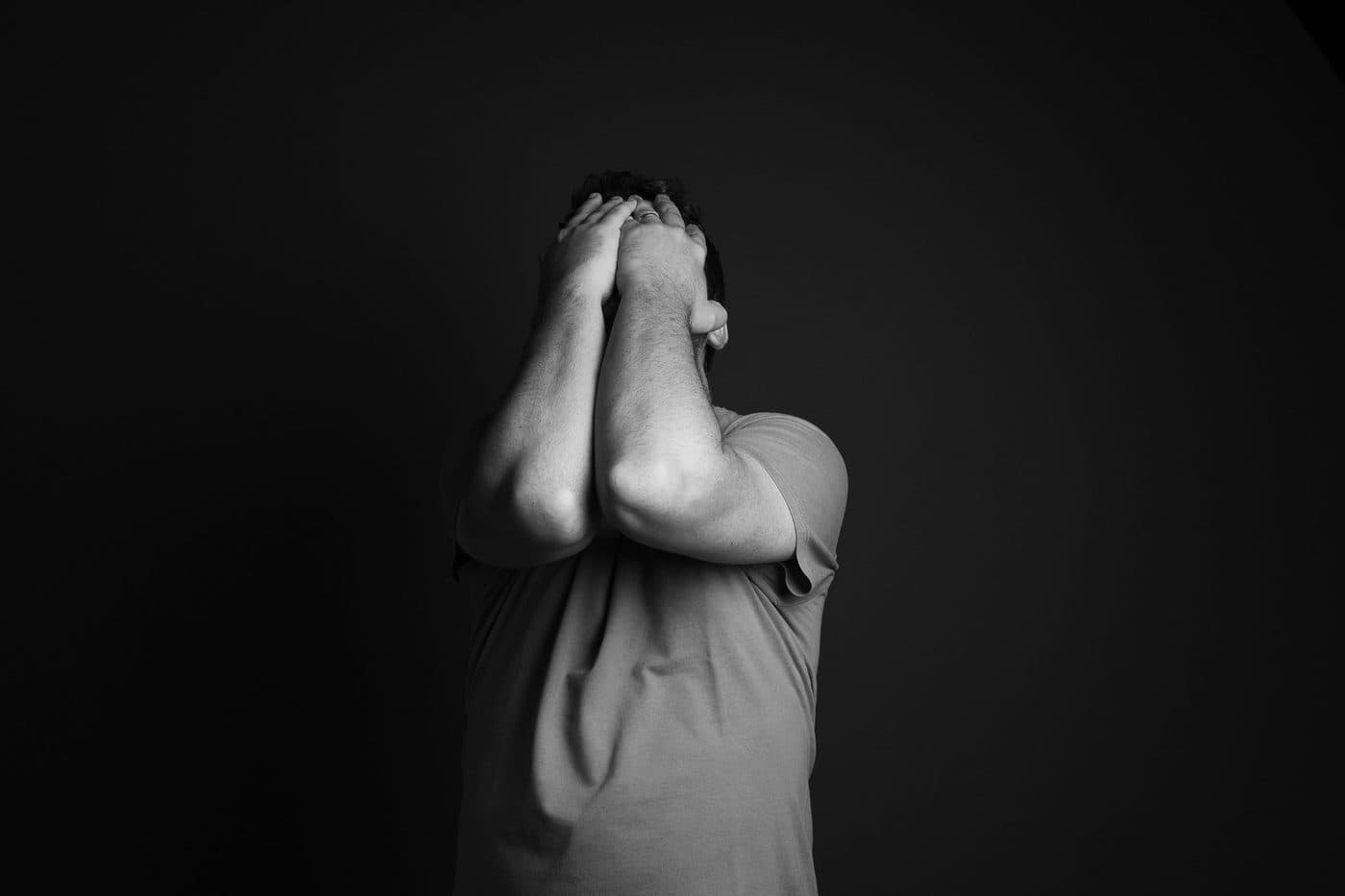
Anxiety wears many hats. Anxiety can help you, or it can sabotage you. Anxiety may help you get serious for a big exam, but it can also make you flake out on a much-needed weekend out with some friends. Anxiety is a positive & useful emotion so long as it is kept at the right volume & in the right compartments of one’s life. In order to keep our anxiety in check we must first identify it before we can decide how to manage it.
What is Healthy Anxiety?
Anxiety triggers a sympathetic response in our nervous system (aka our “fight-or-flight” reflex). It is useful in honing-in our focus or preparing us for what is to come. For example, you might start to squirm & sweat when you see a rattle-snake on a hiking trail. This is a healthy response because your body is telling you this is a dangerous animal and you should stay away. Perhaps your hands get clammy and your heart starts to race before you give a big speech. This is a healthy response because your body is trying to tell you that you need to focus so you can do well in front of your audience. These are all examples of healthy anxiety & its function in our every day lives. Healthy anxiety may not always be the most positive or fun emotion to feel, but it keeps us safe and helps us to identify the important things in life. We all are programmed to feel anxiety at certain points in our lives as it helps us grow as individuals when it is in the appropriate context.
Long story short: Breathe… feeling anxious is normal!
What is Unhealthy Anxiety?
Unhealthy anxiety is anxiety which occurs in a non-constructive context and has a negative impact on one’s health. Unhealthy anxiety may present in many different forms. Diagnoses are highly individualized. However, to help navigate through these many different types, I like to think of unhealthy anxiety in 3 main forms. Please note that these 3 classifications are not official diagnoses nor technical medical classifications. These are rather my 3 proposed constructs which personally help me understand the official classifications & diagnosis of anxieties on an individual basis. These concepts are as follows:
- Excessive Anxiety
- Inappropriate Anxiety
- Comorbid Anxiety
Excessive anxiety is when the amount of anxiety one is feeling is inappropriate for the situation or debilitating. For the sake of ease, let’s return back to one of our first examples: you are anxious to give a big speech in front of your graduating class. Your hands are clammy & you can feel your heart beating a little faster before you go on stage. This is a healthy anxiety as we previously discussed. However, let’s say you get so anxious that you begin to break down in tears, hyperventilate, & you shut down mentally & physically. You are so overcome with fear at this point that you feel frozen in place & cannot bring yourself to step onto the stage. This is an example of, what I would call, excessive anxiety. While public speaking is an appropriate thing to be anxious about, the magnitude of the response is disproportionate. The healthy anxiety in this example has now turned into Glossophobia (a type of Specific Phobia per the DSM-V), or “fear of public speaking.”
Inappropriate anxiety is anxiety that is felt during a situation where it does not appear warranted or which occurs with no obvious trigger. This type of anxiety can be harder to identify, & it often requires the individual to dig a bit deeper into their feelings to understand what they are experiencing. Perhaps an easier example of this would be found in panic attacks. During a panic attack the individuals fight-or-flight is fully triggered. The individuals heart begins to race, their breathing accelerates, and their hands begin to turn cold & clammy as their body begins to pool blood towards their core in order to feed their vital organs. Individuals with panic attacks may find this description, along with many other feelings & sensations, all too familiar. Individuals with true panic attacks may or may not have identifiable triggers. These individuals may be going about their daily routine when they are suddenly struck with a debilitating panic attack. A veteran or perhaps an individual who just got out of an abusive relationship may be triggered by certain objects or events of their day which initiates their fight-or-flight due to a history of post-traumatic-stress-disorder (Note: PTSD is considered a “Stress & Trauma Related Disorder” & NOT an “Anxiety Disorder.” Although anxiety & panic attacks can be symptoms & distinguishing features of PTSD). While the initiation of this fight-or-flight reaction served a purpose to protect the veteran in times of combat or the hypothetical spouse during previous altercations with her significant-other, this reactionary response is no longer warranted & infringes upon their ability to complete their daily tasks effectively. Inappropriate anxiety can be very frustrating & often takes a bit of counseling & work to uncover the root cause to understand where the feeling is coming from.
Comorbid anxiety is anxiety that presents with additional signs, symptoms, and/or additional health concerns which may be caused or exacerbated by one’s anxiety. Perhaps one of the most common examples of this is anxiety with depression. Bearing the weight of anxiety chronically is exhausting. Individuals suffering from chronic anxiety are on “full alert” most of the time. This exhaustion can lead to hopelessness & ultimately depression. As with the other categories of depression, in order to alleviate the depression, the individual must first identify the anxiety as the cause of the depression. Once the anxiety is identified, then it can be managed appropriately. Appropriately managed anxiety can sometimes causes its comorbid conditions to fall into place consequently without any additional treatment! The tricky part of comorbid anxiety in the context of anxiety with the depression is that some individuals may identify that they are depressed but may not recognize that this is consequence to their underlying anxiety. For these individuals it typically takes collaborative effort from close friends and family to help recognize unusual behaviors & feelings that may be hard to recognize by reflecting on oneself.
How do I know if I have Anxiety?
Anxiety presents uniquely in every individual. Whether it be healthy or unhealthy the presentations can range from subtle to obvious. Some of the more apparent manifestations include the aforementioned symptoms such as: clammy hands, sweating, increased heart rate, heart palpitations, and fast breathing. However, anxiety can have somatic (short for “psychosomatic”) presentations as well. Somatic symptoms can be tricky to identify. Teasing out the root cause for these conditions can be tedious & often requires extensive testing & evaluation from a Healthcare Provider in order to rule out any alternative causes as these symptoms can mimic various other conditions. Some examples include:
- Loss of appetite & upset stomach (e.g., the person may think they have a stomach bug)
- Chest heaviness/difficulty breathing (e.g., the person may think they are having an asthma attack)
- Dizziness & Fainting (e.g., the person may think they are having some sort of heart problem)
- Numbness & tingling in fingers in toes (e.g., the person may think they are having problems with their circulation)
- Anxiety can even mimic severe conditions such as a heart attack or seizures!
It is important to note that an individual should defer to a trusted & licensed Medical Provider to determine whether their symptoms are part of physiologic or psychologic condition. It is never safe to self diagnose; please leave it to the professionals!
Dealing With My Anxiety.
Perhaps you have been diagnosed with anxiety. Maybe you simply want to explore your own mental health. Regardless, we are fortunate to live in a time where there are so many options to help deal with unhealthy anxiety!
The ideal approach to dealing with unhealthy anxiety rests on 4 pillars:
- Lifestyle Modifications
- Counseling
- The “M” word (yes, medications)
- Alternative Approaches
Lifestyle modifications are always always a wonderful place to start with learning to deal with anxiety. Often times Providers will suggest this as the first measure in eliminating anxiety from one’s life. There are several reasons for this. One such reason is it forces the person to face their issues head on & truly identify the source of the anxiety. If the source of anxiety is not identified then no amount of medications or measures will be able to fix the root of the problem.
So what does this mean? Well, lifestyle modifications can take many forms. Some of these methods include:
- Reduction in anxiety-inducing agents (e.g., caffeine, sugar)
- Good sleep hygiene & schedule (yes, good sleeping habits with regular sleep cycles go a long way!)
- Reduction in highly stress-related activities (e.g., gambling & drugs)
- Identify the source of stress & attempt to mitigate it
- Get your life in order (this can be different for everyone, whether it be finances, family situation, or you forget to make your bed every morning, start with something small & build from there)
Some individuals struggle with lifestyle modifications alone & they need the extra helping hand to get them over their anxiety rut. These individuals may greatly benefit from counseling. Counseling comes in many forms. Some of the most popular forms commonly used for anxiety related concerns include Cognitive Behavioral Therapy, Psychotherapy, Meditation, Coping training, & Relaxation techniques. Some forms of therapy are offered in person through local providers, via telehealth virtual visit, and there are even online services such as www.betterhelp.com & www.cerebral.com. Each type of therapy is individualized for each person based on what the Provider & Individual feel will work best for them.
Counseling is also a great place to learn grounding techniques. These are wonderful skills to learn for people with panic attacks. These techniques are interactive strategies for when individuals feel they are losing their grip on reality & need an extra strategy to help bring them back down to earth or “ground” themselves. One such great resource I like to use is the Youtube account “Therapyinanutshell”. (Disclaimer: I am unaffiliated with this Youtuber and her work & am receiving no incentive or compensation for this reference) I feel that she provides excellent insight into how these techniques work & walks through them with you so you can practice them! If you wish to gain education on grounding techniques, you can visit her channel at: https://youtube.com/@TherapyinaNutshell.
For individuals seeking the medication route, meds offer both an excellent short & long term option! Meds can help put a bandaid on a temporary concern or help alleviate chronic issues. It is true that some medications can be addictive, however, there are many more medications which are not. Moreover, there are many meds which can be stopped and started at any time while others must be tapered under close medical supervision. It is important to clear the mind of stigmas around medications and always ask one’s provider what option may be best for them before drawing conclusions based on preconceived notions. Medications can help people gain control of their life & are wonderful resources under close provider supervision. One of my favorite resources as a beginner’s guide to medications & understanding anxiety is the book Why am I so Anxious: Powerful Tools for Recognizing Anxiety & Restoring Your Peace By: Dr. Tracey Marks. Dr. Marks is a clinical Psychiatrist with decades of experience who does an excellent job of demystifying anxiety & anxiety medications/treatments for readers of all walks of life. She also has a great Youtube channel on mental health as well that covers a variety of mental health content. You can view her book by visiting: https://www.amazon.com/Why-Am-Anxious-Recognizing-Restoring/dp/0744057043/. You can view her youtube channel by visiting: https://youtube.com/@DrTraceyMarks. (Disclaimer: I am unaffiliated with this Youtuber and her work & am receiving no incentive or compensation for this reference)
Lastly, for those who wish to venture off the beaten path, there certainly are several alternative approaches which have been proven to be effective. It is important to note that if you take any herbal supplements, remedies, or alternative therapies, you should always disclose this to your Healthcare Provider as this will better help them guide you in your shared decision making & avoid any harsh &/or dangerous interactions with additional therapies you may be prescribed. For more details & information on specific medications & alternative therapies, I recommend Dr. Tracey Marks’s “Why Am I so Anxious: Powerful Tools for Recognizing Anxiety & Restoring Your Peace.” There you will find a wonderful education & information repository on various therapies & when & how to use. That said, above all, you should speak with your Healthcare Provider first & foremost to help guide your decision making & lead you to the right resources.
Anxiety can be both helpful & harmful. It is important to ensure one’s emotions are retained within their proper domains. Fortunately, there are many tools to help one cope & alleviate the burden’s of their anxiety. Sometimes the world around us is a matter of perspective. Therein lies the key to how our thoughts drive our beliefs which result in our emotions. Nonetheless, these facts present: you are not alone, you are not crazy, & seeking help makes you stronger, better, & wiser NOT weaker or lesser. Thus, never be afraid to ask for help! You might just be surprised on what you may find…
Resources
American Psychiatric Association. (2013). Diagnostic and Statistical Manual of Mental Disorders (5th Ed.). Washington, DC.
DynaMed. Specific Phobia. EBSCO Information Services. Accessed May 16, 2023. https://www.dynamed.com/condition/specific-phobia.
https://youtube.com/@DrTraceyMarks.
https://youtube.com/@TherapyinaNutshell.
Disclaimer: The purpose of this blog is solely for informational & educational purpose in context of the date of publication in conjunction with the expertise of the author and any collaborators. This blog does not take the place of professional medical advice nor is its author and/or contents responsible for your health or well-being. The content therein is not to serve as a diagnostic or treatment tool. If you or a loved one has any concerns for your health or well being, you should seek medical care & be evaluated by a licensed healthcare provider in a formal professional setting.
Want to talk it through?
Answer a few quick questions and we will match you to the right visit with Preston, then show you open times in Cape Girardeau. If you think you are having a medical emergency, call 911.
Originally published on Medium in June 2023.

Written by Preston Holifield, DNP, APRN, FNP-C
Preston is a nationally certified family nurse practitioner who leads Guardian Primary Care in Cape Girardeau, working alongside a Missouri Licensed Collaborating Physician. Meet our team.