You feel fine. Your energy is good, you're keeping up with work and family, and nothing seems wrong. But inside your body, your blood vessels are under relentless pressure, silently damaging your heart, kidneys, brain, and arteries. This is the insidious nature of high blood pressure, or hypertension: it rarely announces itself until serious damage has been done.
High blood pressure is one of the most common conditions in American adults, yet many people who have it do not know. That is why hypertension has earned its ominous nickname: the silent killer. But here is the empowering truth. While hypertension is dangerous, it is also one of the most controllable chronic conditions when it is properly managed. Understanding what it is, why it matters, and how to take control can literally save your life.
What Is High Blood Pressure?
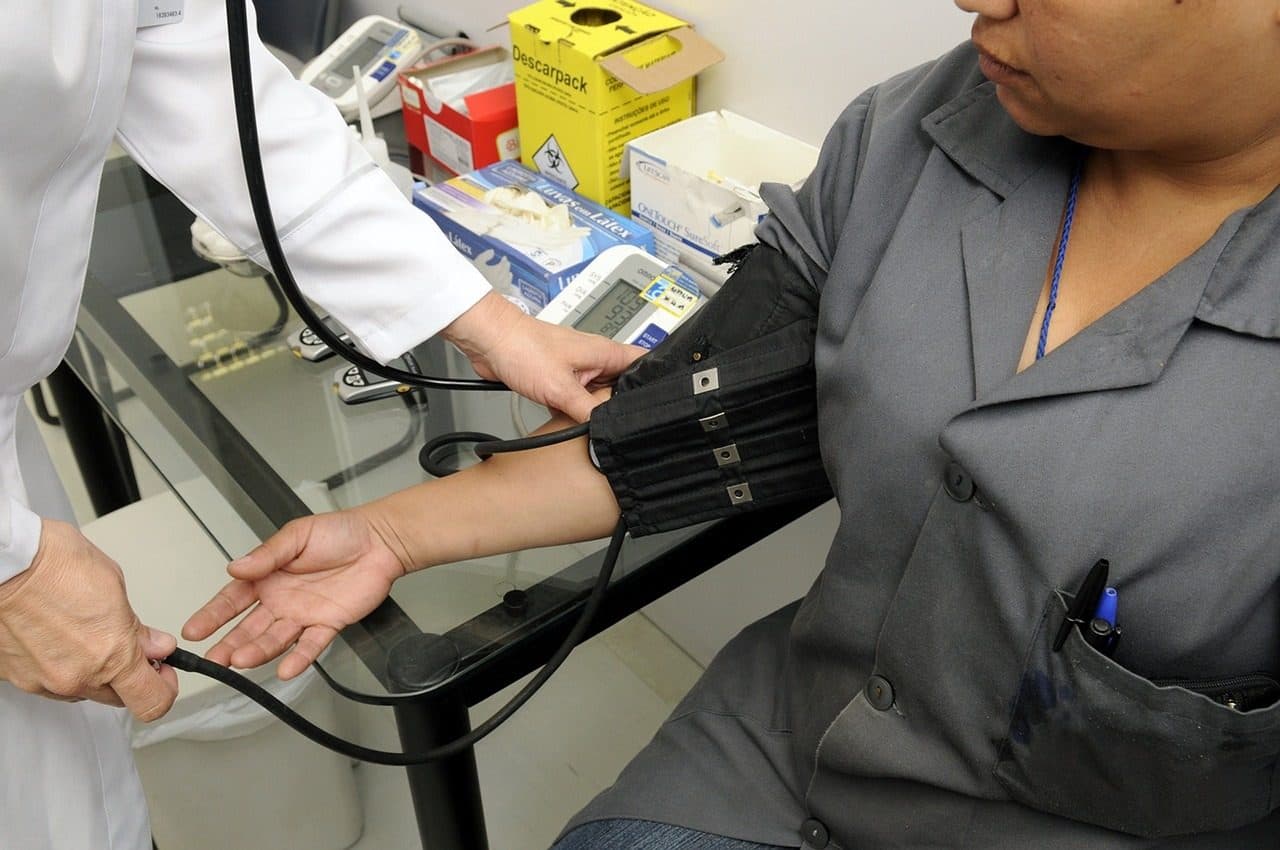
Blood pressure measures the force of blood pushing against the walls of your arteries as your heart pumps. It's expressed in two numbers: systolic pressure (the top number) when your heart beats, and diastolic pressure (the bottom number) when your heart rests between beats.
Normal blood pressure is generally below 120/80 mm Hg. Elevated blood pressure ranges from 120-129 systolic with diastolic below 80. Hypertension Stage 1 is 130-139 systolic or 80-89 diastolic, and Stage 2 is 140/90 or higher. A hypertensive crisis, anything above 180/120, requires immediate medical attention.
When blood pressure remains consistently elevated, it forces your heart to work harder and damages arterial walls over time. This sets the stage for heart disease, stroke, kidney failure, vision loss, and other life-threatening complications.
Why It's Called the Silent Killer
Most people with high blood pressure have no symptoms at all. No pain, no shortness of breath, no warning signs. You can have dangerously high blood pressure for years without feeling anything wrong. This is what makes hypertension so deadly: by the time symptoms appear, significant damage may have already occurred.
Uncontrolled high blood pressure is a leading contributor to heart attack, stroke, heart failure, and chronic kidney disease. The damage is cumulative: every day your blood pressure remains elevated, your organs are under stress.
The good news? Regular blood pressure monitoring can catch hypertension early, before it causes harm. This is why routine checkups and knowing your numbers are so crucial, especially if you have risk factors like family history, obesity, sedentary lifestyle, or high sodium intake.
Who Is at Risk?
While anyone can develop high blood pressure, certain factors increase your risk:
- Age: Risk increases with age, particularly after 65
- Family history: Genetics play a significant role
- Race: African Americans face higher risk and earlier onset
- Obesity: Excess weight requires more blood flow and stresses arteries
- Physical inactivity: Sedentary lifestyle increases risk
- Diet: High sodium, low potassium, and processed foods contribute
- Smoking and alcohol: Both raise blood pressure and damage vessels
- Chronic stress: Prolonged stress hormones elevate blood pressure
- Other conditions: Diabetes, kidney disease, and sleep apnea increase risk
Even if you have multiple risk factors, hypertension is not inevitable. Lifestyle changes and medical management can dramatically reduce your risk and protect your long-term health.
The Evidence: Why Control Matters
Decades of research have proven that controlling high blood pressure saves lives. Large clinical trials have shown that tighter blood pressure control lowers the risk of heart attack, heart failure, stroke, and death compared with looser targets. Your own target is set with your provider, based on your age, your other conditions, and how you tolerate treatment.
Even modest reductions matter. Lowering systolic blood pressure by around 10 mm Hg, or diastolic by around 5 mm Hg, meaningfully reduces the risk of both heart disease and stroke. Over time, those reductions compound, protecting your brain, heart, kidneys, and eyes.
The evidence is clear. Treating high blood pressure is not just about numbers on a monitor, it is about preserving your quality of life, preventing disability, and adding healthy years to your life.
How to Take Control: Practical Steps
The best news about hypertension? It's highly responsive to lifestyle changes and medical treatment. Here's how you can take control:
- Know your numbers: Get your blood pressure checked regularly. If you have hypertension, monitor at home and track trends.
- Adopt the DASH diet: Focus on fruits, vegetables, whole grains, lean protein, and low-fat dairy. Reduce sodium to less than 2,300 mg daily (ideally 1,500 mg).
- Move your body: Aim for 150 minutes of moderate aerobic activity per week. Even walking 30 minutes daily makes a difference.
- Maintain a healthy weight: Losing even 5-10 pounds can lower blood pressure significantly.
- Limit alcohol: No more than one drink per day for women, two for men.
- Quit smoking: Tobacco damages blood vessels and raises blood pressure. Quitting is one of the best things you can do for your heart.
- Manage stress: Practice relaxation techniques like deep breathing, meditation, or yoga.
- Take medications as prescribed: If lifestyle changes aren't enough, blood pressure medications are safe, effective, and essential for protection.
When to Seek Professional Help
If you have been diagnosed with high blood pressure, or if you have risk factors and have not had your blood pressure checked recently, it is time to see your primary care provider. Managing hypertension requires a partnership between you and your healthcare team.
At Guardian Primary Care in Cape Girardeau, MO, we take a comprehensive, personalized approach to blood pressure management. We are in network with most major commercial insurances, Medicare and Medicaid, and Guardian Direct Care is available for patients who prefer transparent, predictable pricing. We will work with you to identify your risk factors, create a treatment plan that fits your life, monitor your progress, and adjust as needed. Our goal is not just to lower numbers, it is to protect your long-term health and help you live a full, active life.
Don't wait for symptoms. By the time high blood pressure causes noticeable problems, damage may already be done. Taking control now, through lifestyle changes, regular monitoring, and medical management, can prevent heart attack, stroke, and other serious complications.
Your heart, brain, and kidneys are counting on you. Call us at (573) 200-6143 and let us work together to keep them healthy for years to come.