
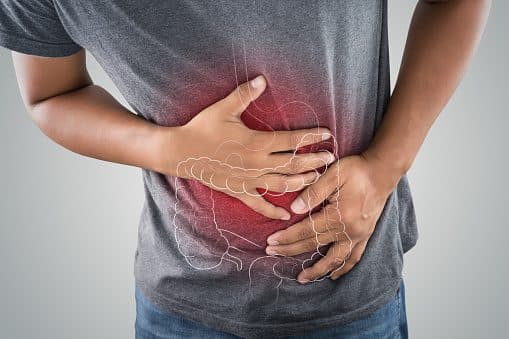
That burning sensation in your chest after a meal. The bitter taste that wakes you up at night. The constant throat clearing that becomes second nature. If these experiences sound familiar, you're not alone. Gastroesophageal reflux disease (GERD) and acid reflux are among the most common digestive complaints seen in primary care, affecting not just physical comfort but quality of life, sleep, and even social activities. The good news? With the right combination of lifestyle modifications and medical approaches, most people find significant relief.
Understanding how to manage GERD effectively requires looking at both the underlying mechanisms and the practical strategies that make a real difference in daily life. Whether you're experiencing occasional heartburn or dealing with chronic symptoms, this comprehensive guide will help you take control of your digestive health.
Understanding GERD and Acid Reflux
Acid reflux occurs when stomach acid flows backward into the esophagus, the tube connecting your mouth to your stomach. This happens when the lower esophageal sphincter (LES), a ring of muscle that acts as a valve between the esophagus and stomach, weakens or relaxes at the wrong time. When this occurs occasionally, it's simply called acid reflux or heartburn. When it happens frequently (more than twice a week), it's diagnosed as GERD.
The esophagus isn't designed to handle stomach acid, which is why reflux causes that characteristic burning sensation. Over time, repeated exposure can lead to inflammation, damage to the esophageal lining, and complications such as esophagitis, strictures, or Barrett's esophagus, a precancerous condition that requires monitoring.
Common symptoms include heartburn, regurgitation of food or sour liquid, difficulty swallowing, chest pain, chronic cough, disrupted sleep, hoarseness, and the sensation of a lump in the throat. Some people experience "silent reflux" with minimal heartburn but significant throat and respiratory symptoms.
Lifestyle Modifications That Make a Difference
For many people, lifestyle changes form the foundation of GERD management. These modifications address the root causes of reflux and can significantly reduce symptoms without medication, or allow you to use less medication for better control.
Dietary Adjustments
Avoid trigger foods: Common culprits include citrus fruits, tomatoes, chocolate, mint, spicy foods, garlic, onions, and high-fat foods
Limit acidic beverages: Coffee (even decaf), alcohol, carbonated drinks, and citrus juices can worsen symptoms
Eat smaller, more frequent meals: Large meals increase stomach pressure and reflux risk
Time your meals wisely: Finish eating at least 3 hours before lying down to allow gravity to help keep acid down
Positional and Sleep Strategies
Elevate the head of your bed: Use blocks or a wedge to raise the entire head of the bed 6-8 inches (not just pillows, which can worsen reflux by bending the stomach)
Sleep on your left side: This position helps keep the stomach below the esophagus and reduces nighttime reflux
Avoid tight clothing: Belts, waistbands, and shapewear that compress the abdomen can increase reflux
Weight and Lifestyle Factors
Achieve and maintain a healthy weight: Even modest weight loss can significantly reduce reflux symptoms
Quit smoking: Smoking weakens the LES and increases acid production
Manage stress: Stress doesn't directly cause reflux but can worsen symptoms and affect eating habits
"For many people, combining even two or three lifestyle changes (elevating the bed, avoiding late meals, and cutting out trigger foods) brings noticeable relief within a few weeks."
Medical Treatment Options
When lifestyle changes alone aren't sufficient, several medication classes can help manage GERD effectively. The choice depends on symptom severity, frequency, and individual response.
Over-the-Counter Options
Antacids (Tums, Rolaids) provide quick but short-lived relief by neutralizing stomach acid. They're best for occasional symptoms and work within minutes but only last 30-60 minutes. They don't heal esophageal damage.
H2 blockers (famotidine/Pepcid, cimetidine/Tagamet) reduce acid production and provide longer relief than antacids, typically 6 to 12 hours. They take 30-60 minutes to work and are effective for mild to moderate symptoms, especially nighttime reflux.
Proton pump inhibitors (PPIs) (omeprazole/Prilosec, esomeprazole/Nexium) are the most powerful acid reducers available over-the-counter. They block acid production at the cellular level and provide 24-hour relief. PPIs are most effective when taken 30-60 minutes before breakfast and require 1-4 days to reach full effect. They're designed for short-term use (14 days) without medical supervision, though your provider may recommend longer courses.
Prescription Treatments
For more severe or persistent GERD, your provider may prescribe higher-dose PPIs, prescription-strength H2 blockers, or prokinetic agents that help the stomach empty faster and strengthen the LES. In cases where medication isn't effective or patients prefer to avoid long-term medication use, surgical options like fundoplication or newer minimally invasive procedures may be considered.
It's important to work with your healthcare provider to find the right approach, as long-term PPI use (beyond a year) requires monitoring for potential side effects including nutrient deficiencies (B12, magnesium, calcium), increased fracture risk, and rare kidney concerns.
When to See Your Provider
While occasional heartburn is common and manageable at home, certain symptoms warrant medical evaluation:
Symptoms occurring more than twice a week
Difficulty swallowing or pain when swallowing
Unintentional weight loss
Persistent nausea or vomiting
Symptoms that don't improve with over-the-counter medication
Chest pain (always seek immediate care to rule out cardiac causes)
Black, tarry stools or vomiting blood (seek emergency care)
Your primary care provider can evaluate your symptoms, review your medication list (some drugs worsen reflux), and determine whether additional testing like an upper endoscopy or pH monitoring is needed. Long-standing GERD requires monitoring to check for complications.
Creating Your Personalized Management Plan
The most effective GERD management combines multiple approaches tailored to your specific triggers and lifestyle. Start by keeping a symptom diary for 1-2 weeks, noting what you eat, when symptoms occur, and their severity. This helps identify your personal triggers and patterns.
Implement lifestyle changes gradually, since trying to change everything at once can feel overwhelming and unsustainable. Start with the modifications most relevant to your situation. If you have nighttime symptoms, prioritize elevating your bed and avoiding late meals. If daytime heartburn is your main issue, focus on dietary triggers and smaller meals.
Give changes time to work. Lifestyle modifications typically show improvement within 2-4 weeks, while medications may provide relief more quickly but still need time to heal esophageal damage. Work with your healthcare provider to adjust your plan based on response and ensure you're on the right track.
Living with GERD doesn't mean living with constant discomfort. With the right combination of lifestyle strategies and medical treatment, most people achieve significant relief and prevent long-term complications. The key is taking a proactive, consistent approach and working with a healthcare provider who understands your goals and concerns.
If you're struggling with acid reflux or GERD symptoms in Cape Girardeau, our care team at Guardian Primary Care is here to help. We take the time to understand your situation and build a management plan that fits your life. Call (573) 200-6143 to get started.