
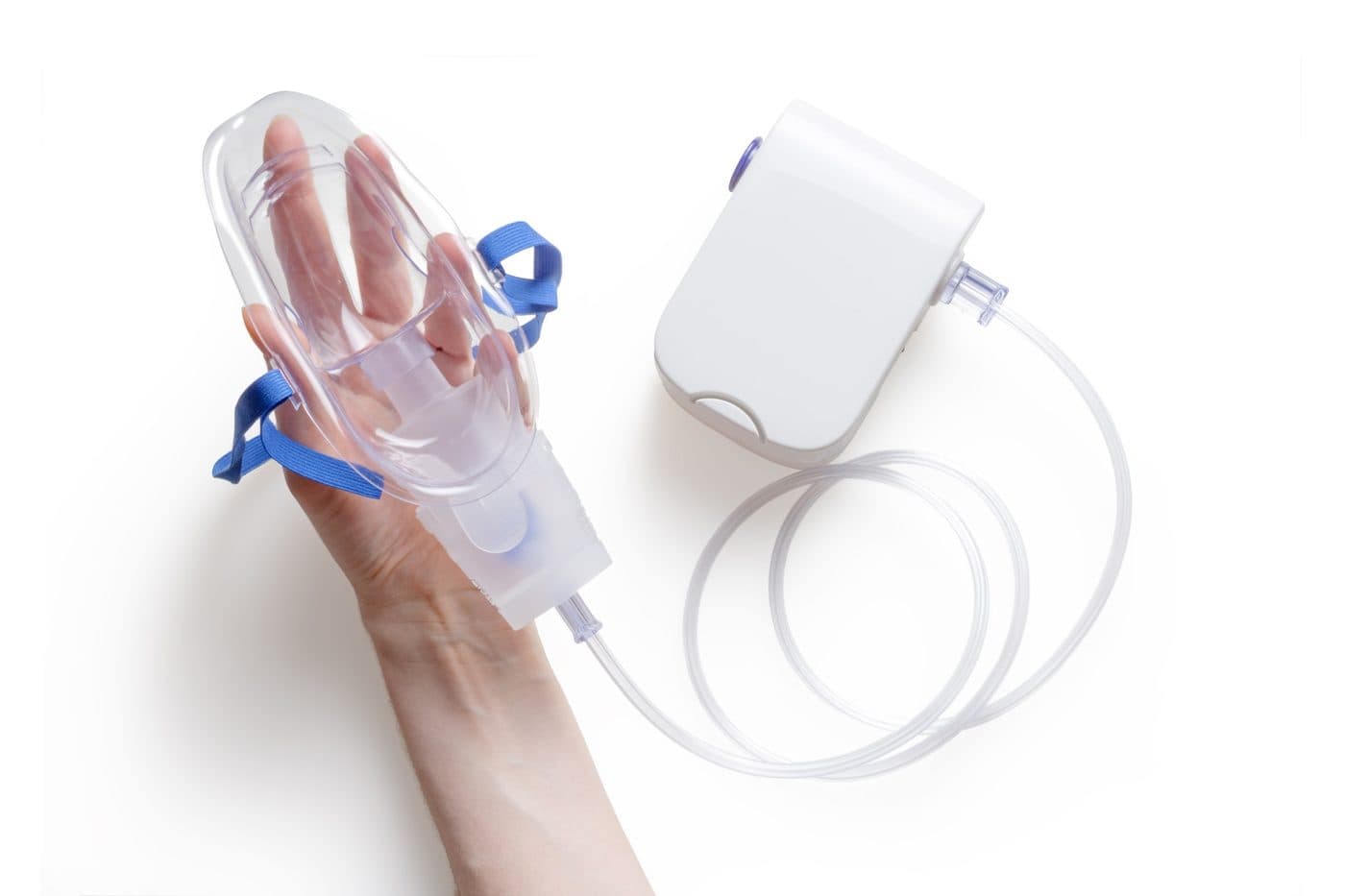
Asthma is a chronic respiratory condition that affects millions of people worldwide. It’s characterized by inflammation and narrowing of the airways, which can lead to symptoms like wheezing, coughing, chest tightness, and shortness of breath. While asthma has no cure, effective management can significantly improve quality of life. Primary care providers (PCPs) play a crucial role in identifying, treating, and supporting individuals with asthma.
Identifying Asthma in Primary Care
Asthma can often be underdiagnosed or misdiagnosed, as its symptoms may mimic other respiratory conditions. PCPs are well-positioned to identify asthma early through:
- Comprehensive Medical History: Providers assess a patient’s symptoms, frequency, and triggers. A history of allergies, family predisposition, or exposure to irritants can also hint at asthma.
- Physical Examination: PCPs evaluate lung function and listen for wheezing or other abnormal breath sounds.
- Diagnostic Testing: Spirometry is a common test used to measure lung function and confirm an asthma diagnosis. Additional tests, like peak flow monitoring or allergy testing, may also be employed.
Treating Asthma in Primary Care
Once diagnosed, managing asthma requires a personalized approach. PCPs can:
- Develop a Treatment Plan: Based on severity, providers prescribe medications such as:
- Quick-Relief Medications: Short-acting beta-agonists (SABAs) like albuterol provide rapid symptom relief during flare-ups.
- Long-Term Control Medications: Inhaled corticosteroids and long-acting beta-agonists (LABAs) help reduce airway inflammation and prevent symptoms.
- Educate Patients: Understanding how to use inhalers, recognize early signs of exacerbations, and avoid triggers is vital for effective management.
- Provide Follow-Up Care: Regular check-ups help monitor progress, adjust medications, and address any concerns. PCPs may also use tools like asthma action plans to guide patients during flare-ups.
Supporting Asthma Patients Beyond Treatment
Asthma management goes beyond medication. Primary care teams support patients through:
- Trigger Identification and Avoidance: Educating patients about common triggers, such as pollen, smoke, pet dander, and air pollution, is key.
- Lifestyle Guidance: PCPs can help patients adopt healthier habits, including smoking cessation, weight management, and stress reduction, which can positively impact asthma control.
- Coordination of Care: When needed, PCPs collaborate with specialists like allergists or pulmonologists for advanced care, ensuring a comprehensive approach.
- Emergency Preparedness: Patients learn how to handle severe asthma attacks, recognize signs of worsening symptoms, and know when to seek emergency care.
The Role of Prevention in Primary Care
Preventive care is a cornerstone of asthma management in primary care. This includes:
- Vaccinations: Ensuring patients are up to date on flu and pneumonia vaccines to prevent respiratory infections that can worsen asthma.
- Education on Environmental Control: PCPs guide patients on improving indoor air quality by using HEPA filters, reducing dust, and managing humidity.
- Routine Monitoring: Tracking symptoms and lung function helps catch potential issues early and prevents unnecessary hospitalizations.
Conclusion
Living with asthma doesn’t have to mean living in fear. Primary care providers are committed to helping patients manage their condition effectively, empowering them to lead active and healthy lives. Whether through early diagnosis, personalized treatment plans, or ongoing support, primary care is your partner in asthma management. If you or a loved one is struggling with asthma, don’t wait. Reach out to your primary care provider today.
At Guardian Primary Care, we specialize in personalized asthma care. Call us at (573) 200-6143 or book online to schedule an appointment. Let us help you breathe easier!
References
- National Asthma Education and Prevention Program. (2020). Expert panel report 3: Guidelines for the diagnosis and management of asthma. U.S. Department of Health and Human Services. https://www.nhlbi.nih.gov/health-topics/asthma
- Bateman, E. D., Hurd, S. S., Barnes, P. J., Bousquet, J., Drazen, J. M., FitzGerald, M., … & O’Byrne, P. M. (2008). Global strategy for asthma management and prevention: GINA executive summary. European Respiratory Journal, 31(1), 143-178. https://doi.org/10.1183/09031936.01.00005501
- Rabe, K. F., Adachi, M., & Lai, C. K. (2005). Global asthma insights and management (GINA) strategy report: Global strategy for asthma management and prevention. Global Initiative for Asthma (GINA). https://ginasthma.org/
- Suissa, S., & Ernst, P. (2001). Long-term use of inhaled corticosteroids and the prevention of asthma exacerbations. Thorax, 56(11), 902-905. https://doi.org/10.1136/thorax.56.11.902
- Bousquet, J., Anto, J. M., & Sunyer, J. (2008). Asthma and rhinitis: Allergic diseases and the united airways. European Respiratory Journal, 32(6), 1359-1366. https://doi.org/10.1183/09031936.00141808
- FitzGerald, J. M., & O’Byrne, P. M. (2021). Asthma pharmacotherapy: Current strategies and future directions. Chest, 159(3), 957-966. https://doi.org/10.1016/j.chest.2020.09.063
- Lavoie, K. L., & Bacon, S. L. (2009). Psychological aspects of asthma treatment adherence. Current Opinion in Pulmonary Medicine, 15(1), 65-70. https://doi.org/10.1097/MCP.0b013e32831ca3ab
- Pakhale, S., & Mulpuru, S. (2020). Current trends in asthma management: Role of biologics. Journal of Asthma and Allergy, 13, 61-71. https://doi.org/10.2147/JAA.S281265
Disclaimer: The purpose of this blog is solely for informational & educational purpose in context of the date of publication in conjunction with the expertise of the author and any collaborators. This blog does not take the place of professional medical advice nor is its author and/or contents responsible for your health or well-being. The content therein is not to serve as a diagnostic or treatment tool. If you or a loved one has any concerns for your health or well being, you should seek medical care & be evaluated by a licensed healthcare provider in a formal professional setting.
Want to talk it through?
Answer a few quick questions and we will match you to the right visit with Preston, then show you open times in Cape Girardeau. If you think you are having a medical emergency, call 911.
Originally published on Medium in January 2025.

Written by Preston Holifield, DNP, APRN, FNP-C
Preston is a nationally certified family nurse practitioner who leads Guardian Primary Care in Cape Girardeau, working alongside a Missouri Licensed Collaborating Physician. Meet our team.